Source-linked reading guide · Planning guide
National Parks Without a Car: Best Parks by Train, Bus and Ferry
車なしで行ける国立公園
A car helps in Japan's larger parks, but it is not the price of admission. Several of the finest parks were built around public transport long ago — a rail terminus, a ropeway, a ferry port — and one famous valley bans private cars outright. This guide collects the parks whose own gateway facts make them genuinely car-free friendly, notes honestly where a local bus or taxi fills the last gap, and names the situations where a rental car still wins. All times and gateways come from the parks' summary tables in this collection. Compiled from the park guides in this collection; check official notices for current conditions before travelling.
Built for the train: Fuji-Hakone-Izu, Nikko, Chichibu and Ise-Shima
Hakone, inside Fuji-Hakone-Izu, is the model car-free park: trains, a mountain railway, cable cars, a ropeway and a lake boat form a loop you ride rather than drive. Nikko runs on limited-express trains to the town and buses onward to Lake Chuzenji and the falls. Chichibu Tama Kai starts at local stations — Mitake is a cable car from the station bus stop. Ise-Shima pairs Kintetsu rail gateways (Ise, Toba, Kashikojima) with the shrine and bay towns in between.
In all four parks the transport is part of the sightseeing, timetables are built for visitors, and luggage forwarding or station lockers solve the bag problem. These are the parks to choose for a first car-free trip.
Bus and ferry parks: Oze, Setonaikai, Kerama and Shiretoko
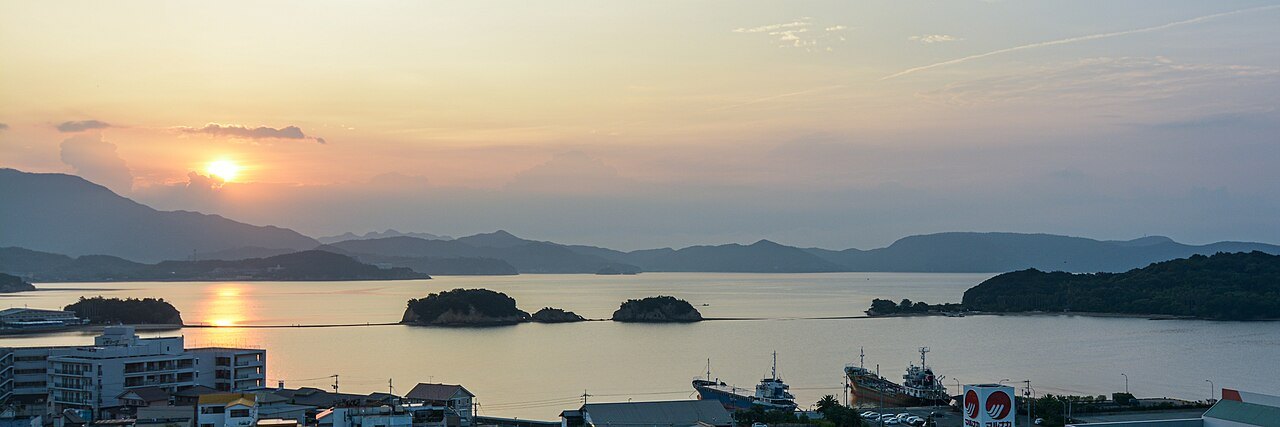
Oze is car-free by design at its core: you take a train to Numata or the Aizu side, a bus to the trailhead, and walk. Setonaikai is a ferry park — Miyajima, Shodoshima and the island routes run on boats and island buses, and a car is more burden than help. Kerama Shoto has no choice to make: high-speed boats from Naha's Tomari Port, then village buses and bicycles. Shiretoko, remotest of the four, works by airport bus and the Utoro tour buses in season — plan around their timetables and it is straightforward.
Kamikochi, inside Chubu-Sangaku, deserves its own mention: private cars are banned from the valley, so everyone arrives by bus or taxi from the gateway car parks and rail stations — the most famous view in the Japan Alps is a public-transport experience by law.
Where a car still wins — honestly
The big Hokkaido parks (Daisetsuzan's trailheads, the Hidaka range), rural Tohoku and parts of Kyushu run on sparse local buses, and a rental car can double what you see in a day. Yanbaru and Iriomote are visitable by bus and tour, but their sights are scattered and a car or a booked local tour makes the difference between a taste and a real visit. Ogasawara has almost no roads to speak of — the ferry is the transport question there.
The middle path used by many travellers: trains between regions, then a one-day rental or a local sightseeing taxi inside a spread-out park. Either way, start from the park guide's gateway line — it names the station, airport or port the park actually uses — and confirm current timetables on the official pages before you travel.
At a glance
| Parks featured | Fuji-Hakone-Izu, Nikko, Oze, Setonaikai, Kerama Shoto, Shiretoko, Chubu-Sangaku and Ise-Shima |
|---|---|
| Best for | Travellers without a car, and drivers who would rather not |
| Season / timing | Year-round; some sightseeing buses are seasonal |
| Starting points | Rail, bus and ferry gateways named in each park guide |
| Good to know | Seasonal buses (notably Shiretoko and Oze) do not run all year — check dates before relying on them |