Source-linked reading guide · Planning guide
National Parks from Tokyo and Osaka: Day Trips and One-Night Stays
東京・大阪から行ける国立公園
Big-city travellers ask the same question: which national parks can I actually do from Tokyo or Osaka without wasting the trip in transit? This guide answers from the parks' own gateway facts. From Tokyo, two parks sit inside day-trip range and three more make perfect one-night stays; from Osaka the Kii Peninsula and the Inland Sea open up. Two warnings run through it: Mount Fuji's park is close but its climb is a season-bound expedition, not a day trip; and Ogasawara belongs to Tokyo the way the moon belongs to the sky — administratively, and a day's ferry away. Compiled from the park guides in this collection; check official notices for current conditions before travelling.
From Tokyo: true day trips
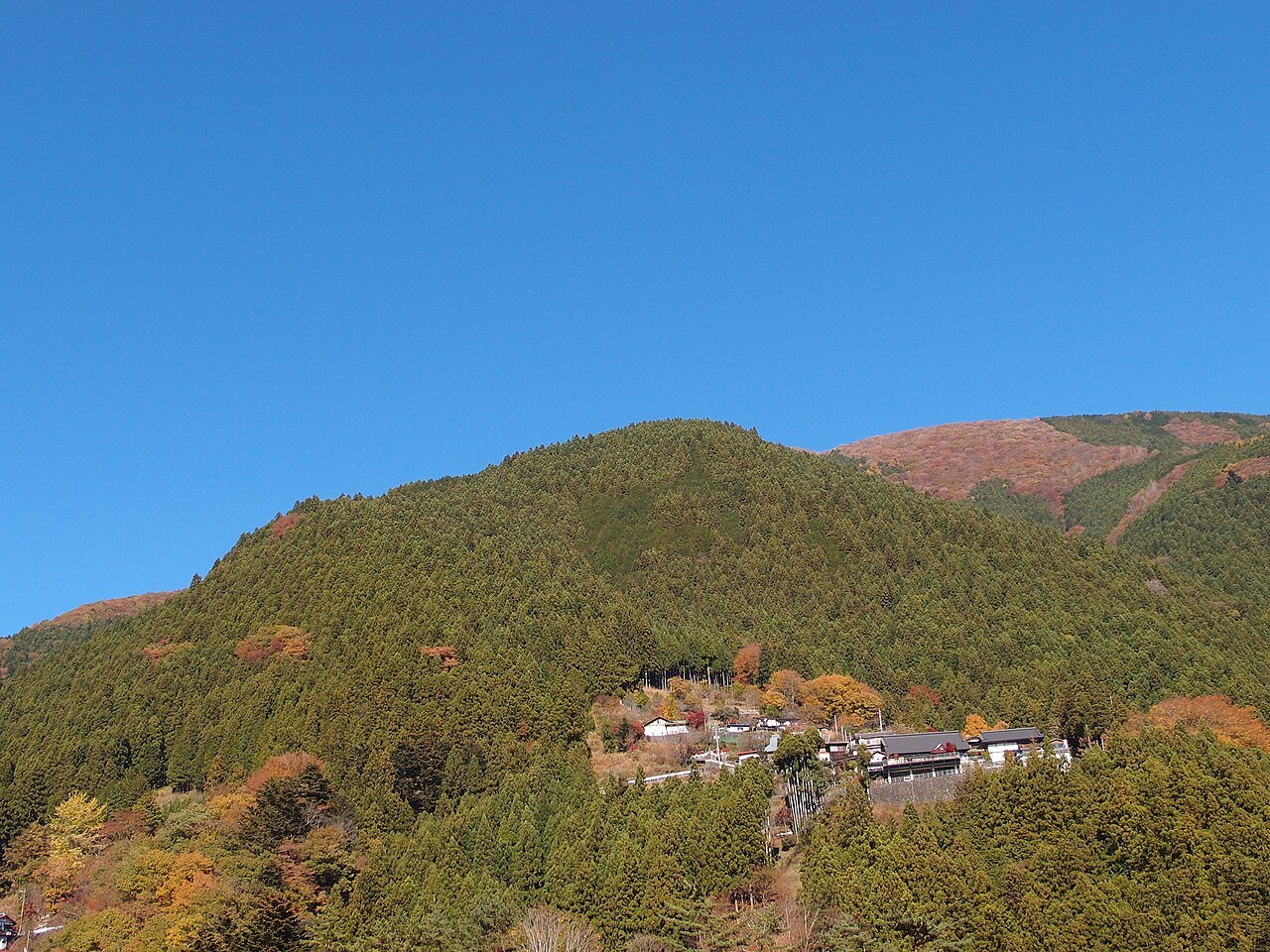
Chichibu Tama Kai is Tokyo's own park: Mount Mitake's shrine village and the Okutama valley are reached by local trains from Shinjuku in about ninety minutes, and you can be back for dinner. Hakone, inside Fuji-Hakone-Izu, is the other classic — rail and ropeway loops from Odawara, with Lake Ashi and, on clear days, Fuji itself. Shosenkyo gorge in Chichibu Tama Kai and the Mount Takao fringe make good half-day additions.
Nikko sits on the edge of day-trip range: the shrine area fits in a long day by limited express, but the park's lake, falls and marsh deserve a night. Treat Nikko as a one-night stay and it becomes one of the best short trips in Japan.
From Tokyo: one night, or a long weekend
Oze needs a night — or a very early start — because its boardwalk marsh rewards morning light and its trailheads are reached by bus from Numata or the Aizu side. Joshinetsu Kogen splits neatly: Kusatsu Onsen and the snow-monkey park at Jigokudani work as a one-night onsen trip, while Shiga Kogen is a ski or highland stay. The Izu Peninsula, the far half of Fuji-Hakone-Izu, is a coastal one-nighter by resort train.
Fuji itself: viewing Fuji from Hakone, the Fuji Five Lakes or the Chureito area is a day trip; climbing it is not. In season (July to early September) the standard pattern is a night in a mountain hut on the mountain — book transport and the hut as one plan, and read the Fuji section of the park guide first.
From Osaka and Kyoto: the Kii Peninsula and the Inland Sea
Yoshino-Kumano is Osaka's great park: Mount Yoshino is a day trip by Kintetsu rail (spectacular and crowded in early-April cherry season), while the Kumano Kodo trails and Nachi Falls make a two-to-three-day pilgrimage from the same gateway. Ise-Shima is an easy one-night cultural trip — Ise Jingu's shrine forests in the morning, the Shima ria coast in the afternoon.
Setonaikai begins at Osaka Bay itself and stretches west; from Osaka or Kobe, Awaji and Shodoshima are day or one-night island trips, and Miyajima is a long day by Shinkansen and ferry or a better one-night stay combined with Hiroshima. Sanin Kaigan, in our Kinki hub, is the far option from Osaka — Kinosaki Onsen plus the coast fits a one-night trip, and the Tottori dunes want a second night.
How to use this guide
Each park named here links to its full guide, whose summary table lists the exact gateway and time — use those figures, not map optimism, when you plan. Parks not named here are not lesser parks; they are simply honest multi-day trips from the two big cities, and forcing them into a day loses exactly what makes them worth visiting. When a park matters to you, give it its night.
At a glance
| Parks featured | Chichibu Tama Kai, Fuji-Hakone-Izu, Nikko, Oze, Joshinetsu Kogen, Ise-Shima, Yoshino-Kumano and Setonaikai |
|---|---|
| Best for | City-based travellers with one or two days |
| Season / timing | Year-round; Oze late May to October, Fuji climbing July to early September |
| Starting points | Tokyo (Shinjuku, Odawara, Nikko) and Osaka / Kyoto (Kintetsu and Shinkansen gateways) |
| Good to know | Gateway times are taken from each park guide's summary table; always confirm current timetables before travelling |