Source-linked reading guide · Planning guide
World Heritage Parks: Natural and Cultural Treasures
世界遺産の公園まとめ
World Heritage and national parks overlap in Japan in two directions. Six parks protect the country's four natural inscriptions, covered in depth in our World Natural Heritage hub. But several parks also contain cultural World Heritage: shrines, pilgrimage roads, a sacred mountain and island sanctuaries where the 'nature' and the culture were never separate. This guide puts both lists on one page, so heritage travellers can plan a single trip that takes in a natural and a cultural inscription together — Yakushima with the Kii pilgrimage mountains, or Shiretoko's wilderness with Nikko's shrines on the way north. Compiled from the park guides in this collection; check official notices for current conditions before travelling.
The natural inscriptions
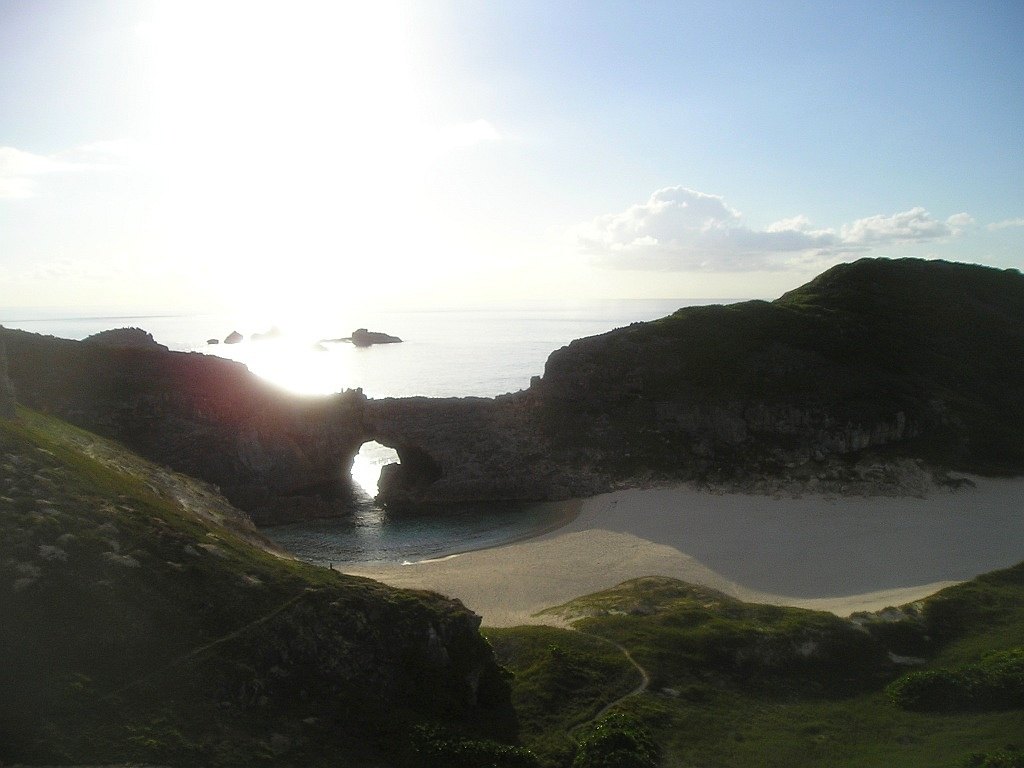
Yakushima (1993): ancient yakusugi cedar forest and the full climate ladder from subtropical coast to alpine summit on one island. Shiretoko (2005): the drift-ice food web, from plankton blooms under the ice to brown bears, orcas and fish owls. Ogasawara (2011): oceanic islands whose species evolved in isolation — a Pacific Galapagos a day's ferry from Tokyo. The 2021 southern inscription spans three parks — Amami Gunto, Yanbaru and Iriomote-Ishigaki — protecting the subtropical forest arc and its endemic animals, including the Amami rabbit, the Okinawa rail and the Iriomote cat.
Natural heritage areas carry the parks' strictest rules: guided entry in Yakushima's core zone arrangements, bear-aware rules in Shiretoko, biosecurity checks before landing in Ogasawara, and night-driving care in the southern forests. Read the park guide and the official notices before you go.
The cultural inscriptions inside the parks
Nikko's shrines and temples (1999) stand inside Nikko National Park, where the Toshogu mausoleum's cedar avenue leads on to Lake Chuzenji and the Senjogahara marsh. Mount Fuji (2013) was inscribed as a cultural landscape — a sacred mountain and artistic icon — and its park, Fuji-Hakone-Izu, adds the Hakone caldera and the Izu coast around it. The Sacred Sites and Pilgrimage Routes in the Kii Mountain Range (2004) run through Yoshino-Kumano: Yoshino's cherry mountain, the Omine range and the Kumano Kodo trails to Nachi Falls.
Two island inscriptions complete the set: Itsukushima Shinto Shrine on Miyajima (1996), the floating shrine inside Setonaikai, where the island itself is worshipped and its forests unfelled; and the Hidden Christian sites of the Goto Islands (2018), whose churches stand inside Saikai National Park's island scenery. In all five parks the cultural site and the landscape explain each other — allow time for both.
Planning a heritage trip
Natural and cultural pairs make natural itineraries: Nikko (cultural) breaks the journey to Tohoku's parks; Yakushima and Yoshino-Kumano combine into a southern heritage loop from Osaka or Kagoshima; Setonaikai's Miyajima pairs with Saikai's Goto churches along the western sea route. Heritage sites draw crowds at their famous points — the Toshogu, Miyajima's torii at high tide, Yoshino in cherry season — so visit early in the day and give the surrounding park the rest of it.
Every park named here has a full guide in this collection; the World Natural Heritage hub covers the six natural-heritage parks in depth, and each park guide's sources list the official pages to check for current access rules, which heritage status can change.
At a glance
| Parks featured | Shiretoko, Yakushima, Ogasawara, Yanbaru, Amami Gunto, Iriomote-Ishigaki, Nikko and Fuji-Hakone-Izu |
|---|---|
| Best for | Heritage travellers combining natural and cultural inscriptions |
| Season / timing | Year-round |
| Starting points | Nationwide |
| Good to know | The guide also discusses Yoshino-Kumano, Setonaikai and Saikai, whose full guides are in this collection |