Source-linked reading guide · Region and theme hub
Ancient Forests
古代の森
Japan's oldest forests survive inside its national parks, protected as sacred ground, watershed or wilderness. Yakushima's yakusugi cedars — some thousands of years old, including the Jomon Sugi — are the most famous, but the family is wide: Shiretoko's primeval mixed forest feeding brown bears and fish owls, the beech woods of Towada's Oirase valley, Hakusan and Daisen, Nikko's great cedar avenue, the shrine forests of Ise Jingu, never felled because they belong to the shrine, and the subtropical evergreen forests of Yanbaru, Amami and Iriomote, where evolution took a different, southern path. Forest parks are rain parks — moss, mist and wet trails are part of the experience, and waterproofs matter more than views. This hub is compiled from the full park guides in this collection; each park guide carries its own summary table, access section and sources.
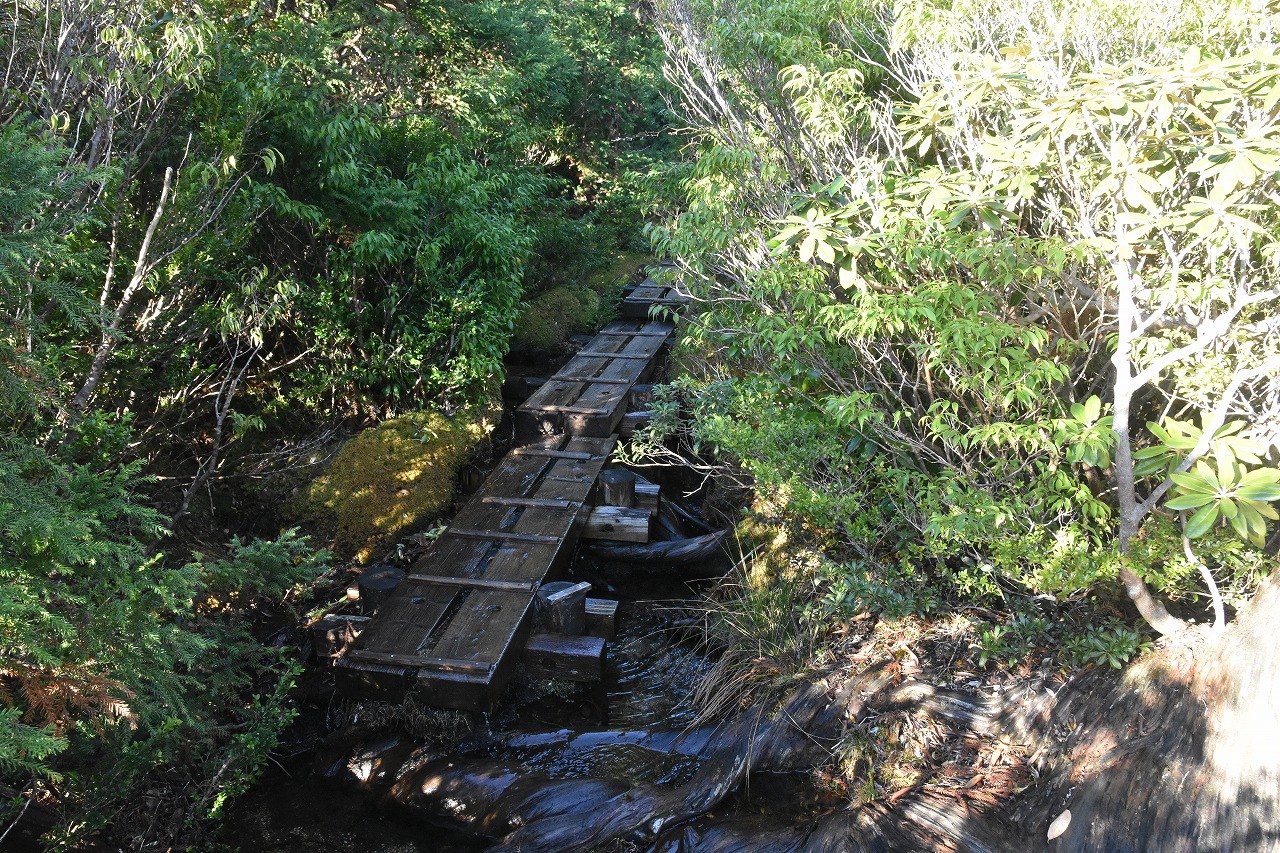
Ancient forests across the parks
Japan's oldest forests survive inside its national parks, protected as sacred ground, watershed or wilderness. Yakushima's yakusugi cedars — some thousands of years old, including the Jomon Sugi — are the most famous, but the family is wide: Shiretoko's primeval mixed forest feeding brown bears and fish owls, the beech woods of Towada's Oirase valley, Hakusan and Daisen, Nikko's great cedar avenue, the shrine forests of Ise Jingu, never felled because they belong to the shrine, and the subtropical evergreen forests of Yanbaru, Amami and Iriomote, where evolution took a different, southern path. Forest parks are rain parks — moss, mist and wet trails are part of the experience, and waterproofs matter more than views.
The parks in this hub
Yakushima National Park — Ancient yakusugi cedar forests including Jomon Sugi; Mount Miyanoura (1,936 m); Nagata Inakahama beach. Best season: March to November; turtle nesting early summer. Gateway: Miyanohara / Anbo ports — 2–2.5 h by high-speed boat from Kagoshima.
Shiretoko National Park — Drift-ice coast of the Sea of Okhotsk; Shiretoko Five Lakes; Mount Rausu and the volcanic Shiretoko Peninsula. Best season: Late May to October for lakes and passes; February for drift ice. Gateway: Shari / Utoro — about 1 h 20 min by bus from Shiretoko-Shari Station.
Towada-Hachimantai National Park — Lake Towada and the Oirase mountain stream; Hachimantai volcanic plateau and its snow corridor; Mount Iwaki views. Best season: May to November; Oirase fresh green May–June, autumn colour mid-October. Gateway: Aomori / Hachinohe — bus about 2–3 h to Lake Towada.
Hakusan National Park — Sacred Mount Hakusan (2,702 m) with its crater ponds; some of Japan's richest alpine flower fields; deep beech forests and heavy-snow gorges. Best season: Alpine season July to October; flower fields July to August. Gateway: Kanazawa — bus about 1 h 30 min to Ichinose trailhead side.
Ise-Shima National Park — Ise Jingu shrine forests; the ria coasts of Ago and Matoya bays; pearl-cultivation rafts and Meoto Iwa rocks. Best season: Year-round; mildest March–May and October–November. Gateway: Ise / Toba — Kintetsu limited express about 1 h 40 min from Nagoya.
Yoshino-Kumano National Park — Mount Yoshino, Japan's most famous cherry mountain; the Omine sacred range and Dorokyo gorge; Nachi Falls and the Kumano Kodo pilgrim trails; Hashigui-iwa rock coast. Best season: Year-round; cherry blossom early April, Kumano trails best spring and autumn. Gateway: Yoshino / Shingu — Kintetsu to Yoshino, JR Kisei Line along the Kumano coast.
Yanbaru National Park — Subtropical evergreen forest of northern Okinawa; Mount Yonaha (503 m); the Hiji and Okuma river valleys; a World Natural Heritage core from 2021. Best season: Year-round; birdwatching best in the cooler months, forest green after spring rains. Gateway: Nago — bus or car about 1-1.5 h to Kunigami Village trailheads.
Daisen-Oki National Park — Mount Daisen (1,729 m), the 'Fuji of the west' with beech forests; the Oki Islands' cliffs and Kuniga coast; Hiruzen highland and Mount Mitoku. Best season: Year-round; Daisen fresh green May, autumn colour late October, skiing winter. Gateway: Yonago — bus about 50 min to Daisen-ji; ferry to the Oki Islands about 2-3 h.
Choosing within this theme
Yakushima is the essential forest park and deserves two to three days. For beech forest without the journey south, Towada-Hachimantai and Hakusan are superb in fresh green (May–June) and autumn. Ise-Shima's shrine forests combine easily with culture rather than hiking, while Yanbaru and Iriomote add rare birds, frogs and jungle rivers to the forest walk. After rain is the best time in every forest park on this list.
Also in this theme
These parks in the collection also belong to this theme: Nikko National Park (Nikko Toshogu shrine and temples (World Heritage)); Amami Guntō National Park (The Amami island chain: Amami Oshima's mangroves and Mount Yuwan); Iriomote-Ishigaki National Park (Iriomote's subtropical jungle and mangroves). Open any park from the main list to read its full guide.
At a glance
| Parks covered | 11 in this theme — featured: Yakushima, Shiretoko, Towada-Hachimantai, Hakusan, Ise-Shima, Yoshino-Kumano, Yanbaru, Daisen-Oki |
|---|---|
| Signature landscapes | Ancient yakusugi cedar forests including Jomon Sugi; Drift-ice coast of the Sea of Okhotsk; Lake Towada and the Oirase mountain stream; Sacred Mount Hakusan (2,702 m) with its crater ponds; Ise Jingu shrine forests; Mount Yoshino, Japan's most famous cherry mountain; Subtropical evergreen forest of northern Okinawa; Mount Daisen (1,729 m), the 'Fuji of the west' with beech forests |
| Best season | Fresh green May to June; forests are at their most atmospheric in and after rain |
| Main gateways | Miyanohara / Anbo ports — 2–2.5 h by high-speed boat from Kagoshima; Shari / Utoro — about 1 h 20 min by bus from Shiretoko-Shari Station; Aomori / Hachinohe — bus about 2–3 h to Lake Towada; Kanazawa — bus about 1 h 30 min to Ichinose trailhead side; Ise / Toba — Kintetsu limited express about 1 h 40 min from Nagoya; Yoshino / Shingu — Kintetsu to Yoshino, JR Kisei Line along the Kumano coast; Nago — bus or car about 1-1.5 h to Kunigami Village trailheads; Yonago — bus about 50 min to Daisen-ji; ferry to the Oki Islands about 2-3 h |
| Best for | Yakushima is the essential forest park and deserves two to three days. |