Source-linked reading guide · Region and theme hub
Autumn Colour in the National Parks
紅葉
Japan's autumn colour front travels down the country through the national parks for almost three months. It starts in mid-September on Daisetsuzan's high slopes — the earliest colour in Japan — reaches the great beech and maple parks of Tohoku and Nikko in October (Oirase stream, Lake Chuzenji, the Goshikinuma ponds), colours the Japan Alps and Hakusan as the larches turn gold, and finishes in November in the lowland parks near the cities and even on Kyushu's Mount Unzen. Because the parks span every altitude and latitude, there is almost always a park at its peak somewhere between late September and late November — the trick is to follow the front rather than fix a date and hope. This hub is compiled from the full park guides in this collection; each park guide carries its own summary table, access section and sources.
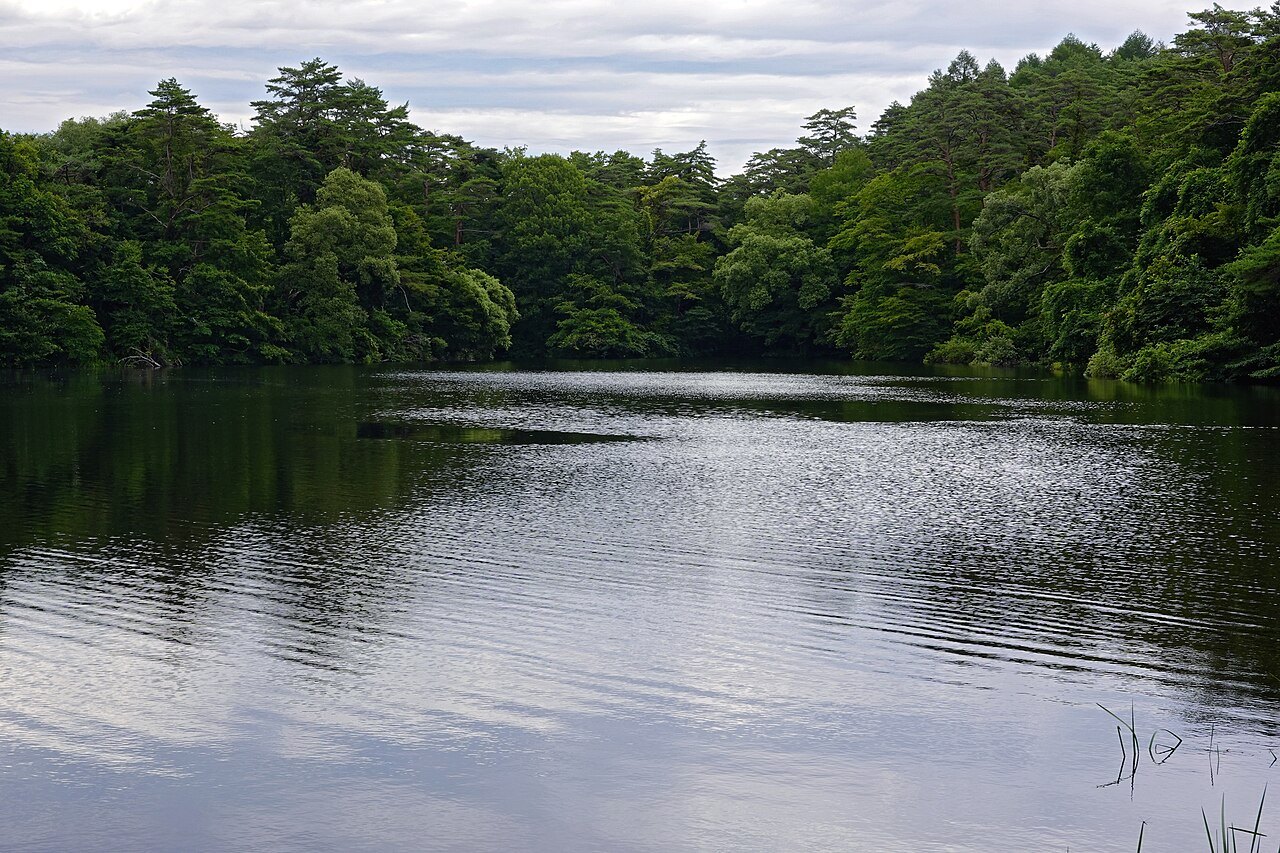
Autumn colour across the parks
Japan's autumn colour front travels down the country through the national parks for almost three months. It starts in mid-September on Daisetsuzan's high slopes — the earliest colour in Japan — reaches the great beech and maple parks of Tohoku and Nikko in October (Oirase stream, Lake Chuzenji, the Goshikinuma ponds), colours the Japan Alps and Hakusan as the larches turn gold, and finishes in November in the lowland parks near the cities and even on Kyushu's Mount Unzen. Because the parks span every altitude and latitude, there is almost always a park at its peak somewhere between late September and late November — the trick is to follow the front rather than fix a date and hope.
The parks in this hub
Daisetsuzan National Park — Hokkaido's largest national park: the Daisetsuzan volcanic group, Mount Asahi (2,291 m), alpine flower fields and the Sounkyo gorge. Best season: Late June to early October for alpine flowers and autumn colour. Gateway: Asahikawa — ropeway trailheads about 1–1.5 h by bus.
Towada-Hachimantai National Park — Lake Towada and the Oirase mountain stream; Hachimantai volcanic plateau and its snow corridor; Mount Iwaki views. Best season: May to November; Oirase fresh green May–June, autumn colour mid-October. Gateway: Aomori / Hachinohe — bus about 2–3 h to Lake Towada.
Bandai-Asahi National Park — Mount Bandai and the coloured Goshikinuma ponds; the Dewa Sanzan sacred peaks (Haguro, Gassan, Yudono); Mount Iide and the Asahi range. Best season: Year-round; Goshikinuma May to November, autumn colour October, skiing winter. Gateway: Aizu-Wakamatsu / Kitakata — bus about 40 min to Urabandai.
Nikko National Park — Nikko Toshogu shrine and temples (World Heritage); Lake Chuzenji and Kegon Falls; Senjogahara marshland and the Oze headwaters side. Best season: Year-round; autumn colour October–November. Gateway: Nikko Station — about 2 h from Tokyo (Asakusa) by Tobu line.
Oze National Park — Ozegahara marshland boardwalks; Mount Hiuchigatake and Mount Shibutsu; skunk-cabbage and day-lily seasons. Best season: Late May to October; skunk cabbage late May–June, day lilies July. Gateway: Numata / Aizukogen — bus about 1.5–2 h to trailheads (Hatomachitoge, Oshimizu, Fujimi-toge).
Chichibu Tama Kai National Park — Tokyo's mountain backyard: Mount Kumotori (2,017 m); Mount Mitake and its shrine; the gorges of Shosenkyo and Nishizawa; Mount Daibosatsu. Best season: Year-round; fresh green May, autumn colour late October to November. Gateway: Okutama / Ome — about 1 h 30 min to 2 h from central Tokyo by train.
Chubu-Sangaku National Park — Northern Japan Alps: Kamikochi valley, Mount Tate and Kurobe, the Hotaka range and Mount Norikura. Best season: May to November for Kamikochi; alpine season July–September. Gateway: Matsumoto — bus about 1.5 h to Kamikochi; Toyama for Tateyama.
Daisen-Oki National Park — Mount Daisen (1,729 m), the 'Fuji of the west' with beech forests; the Oki Islands' cliffs and Kuniga coast; Hiruzen highland and Mount Mitoku. Best season: Year-round; Daisen fresh green May, autumn colour late October, skiing winter. Gateway: Yonago — bus about 50 min to Daisen-ji; ferry to the Oki Islands about 2-3 h.
Choosing within this theme
For the classic experience, walk the Oirase stream in Towada-Hachimantai in mid-to-late October and combine it with Nikko on the same trip south. Daisetsuzan in late September pairs colour with the first snow on the peaks. Near Tokyo, Chichibu Tama Kai colours latest and longest into November; near Osaka and Hiroshima, Daisen is the reliable mountain of colour in late October.
Also in this theme
These parks in the collection also belong to this theme: Hakusan National Park (Sacred Mount Hakusan (2,702 m) with its crater ponds); Unzen-Amakusa National Park (Mount Unzen and the 1990-95 Fugendake eruption zone). Open any park from the main list to read its full guide.
At a glance
| Parks covered | 10 in this theme — featured: Daisetsuzan, Towada-Hachimantai, Bandai-Asahi, Nikko, Oze, Chichibu Tama Kai, Chubu-Sangaku, Daisen-Oki |
|---|---|
| Signature landscapes | Hokkaido's largest national park: the Daisetsuzan volcanic group, Mount Asahi (2,291 m), alpine flower fields and the Sounkyo gorge; Lake Towada and the Oirase mountain stream; Mount Bandai and the coloured Goshikinuma ponds; Nikko Toshogu shrine and temples (World Heritage); Ozegahara marshland boardwalks; Tokyo's mountain backyard: Mount Kumotori (2,017 m); Northern Japan Alps: Kamikochi valley, Mount Tate and Kurobe, the Hotaka range and Mount Norikura; Mount Daisen (1,729 m), the 'Fuji of the west' with beech forests |
| Best season | Mid-September in Daisetsuzan to late November in the lowland and Kyushu parks |
| Main gateways | Asahikawa — ropeway trailheads about 1–1.5 h by bus; Aomori / Hachinohe — bus about 2–3 h to Lake Towada; Aizu-Wakamatsu / Kitakata — bus about 40 min to Urabandai; Nikko Station — about 2 h from Tokyo (Asakusa) by Tobu line; Numata / Aizukogen — bus about 1.5–2 h to trailheads (Hatomachitoge, Oshimizu, Fujimi-toge); Okutama / Ome — about 1 h 30 min to 2 h from central Tokyo by train; Matsumoto — bus about 1.5 h to Kamikochi; Toyama for Tateyama; Yonago — bus about 50 min to Daisen-ji; ferry to the Oki Islands about 2-3 h |
| Best for | For the classic experience, walk the Oirase stream in Towada-Hachimantai in mid-to-late October and combine it with Nikko on the same trip south. |