Source-linked reading guide · Region and theme hub
Chubu National Parks
中部の国立公園
Chubu is Japan's alpine heartland, and its five national parks hold most of the country's 3,000-metre ground. Chubu-Sangaku covers the Northern Japan Alps — Kamikochi, Tateyama, Kurobe and the Hotaka range. Minami Alps protects the southern chain, including Mount Kita, Japan's second-highest summit. Joshinetsu Kogen mixes active volcanoes (Asama, Kusatsu-Shirane) with the Shiga Kogen plateau and the famous snow monkeys. Hakusan is a sacred, flower-rich volcano on the Sea of Japan side, and Myoko-Togakushi Renzan pairs volcanic Mount Myoko with the jagged Togakushi range and its ancient shrine cedars. Between them these parks offer everything from valley-floor strolls to multi-day traverses above the clouds. This hub is compiled from the full park guides in this collection; each park guide carries its own summary table, access section and sources.
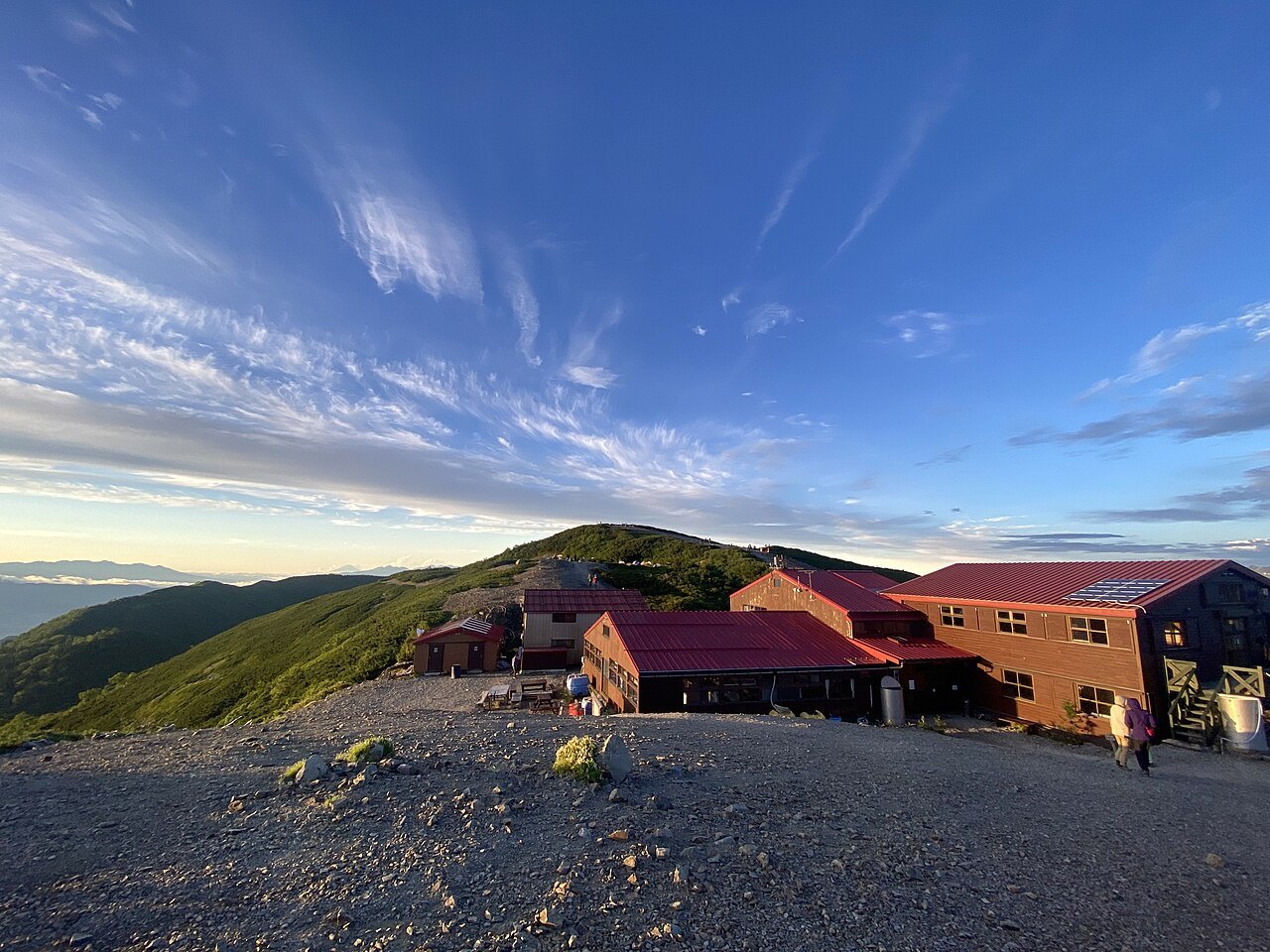
Chubu: the parks at a glance
Chubu is Japan's alpine heartland, and its five national parks hold most of the country's 3,000-metre ground. Chubu-Sangaku covers the Northern Japan Alps — Kamikochi, Tateyama, Kurobe and the Hotaka range. Minami Alps protects the southern chain, including Mount Kita, Japan's second-highest summit. Joshinetsu Kogen mixes active volcanoes (Asama, Kusatsu-Shirane) with the Shiga Kogen plateau and the famous snow monkeys. Hakusan is a sacred, flower-rich volcano on the Sea of Japan side, and Myoko-Togakushi Renzan pairs volcanic Mount Myoko with the jagged Togakushi range and its ancient shrine cedars. Between them these parks offer everything from valley-floor strolls to multi-day traverses above the clouds.
The parks, one by one
Chubu-Sangaku National Park — Northern Japan Alps: Kamikochi valley, Mount Tate and Kurobe, the Hotaka range and Mount Norikura. Best season: May to November for Kamikochi; alpine season July–September. Gateway: Matsumoto — bus about 1.5 h to Kamikochi; Toyama for Tateyama.
Minami Alps National Park — The Southern Alps: Mount Kita (3,193 m, Japan's second highest), Mount Aino and Mount Senjo; a chain of 3,000 m peaks and alpine flower fields. Best season: Alpine season late June to October; flower fields July. Gateway: Kofu — seasonal buses about 2 h to Hirogawara trailhead.
Jōshin'etsu-kōgen National Park — Volcanic highlands: active Mount Asama and Mount Kusatsu-Shirane with its Yugama crater lake; Shiga Kogen plateau; Mount Tanigawa and Mount Naeba; Jigokudani snow monkeys. Best season: Year-round; skiing December to April, highland flowers June to September, autumn colour October. Gateway: Karuizawa / Nagano — Shinkansen gateways, buses to the highlands.
Hakusan National Park — Sacred Mount Hakusan (2,702 m) with its crater ponds; some of Japan's richest alpine flower fields; deep beech forests and heavy-snow gorges. Best season: Alpine season July to October; flower fields July to August. Gateway: Kanazawa — bus about 1 h 30 min to Ichinose trailhead side.
Myōkō-Togakushi Renzan National Park — Volcanic Mount Myoko (2,454 m) and the jagged non-volcanic Togakushi range; Togakushi Shrine's ancient cedar avenue; Lake Nojiri and the Iizuna highland wetlands. Best season: Year-round; skunk cabbage April to May, green season June to October, skiing winter. Gateway: Nagano — bus about 1 h to Togakushi; Myoko-Kogen Station for Mount Myoko.
Choosing and combining
Match the park to your legs: Kamikochi's valley floor and Togakushi's shrine avenue suit almost everyone; Hakusan and Myoko are satisfying single-peak days; the Hotaka and Minami Alps chains are for experienced, hut-to-hut walkers. The alpine window is short — roughly July to early October — and these parks are at their busiest then, so book mountain huts early.
Seasons and getting there
Best season: Alpine season July to early October; skiing December to April in Joshinetsu and Myoko. Gateways, from the park guides: Chubu-Sangaku: Matsumoto — bus about 1.5 h to Kamikochi; Toyama for Tateyama; Minami Alps: Kofu — seasonal buses about 2 h to Hirogawara trailhead; Jōshin'etsu-kōgen: Karuizawa / Nagano — Shinkansen gateways, buses to the highlands; Hakusan: Kanazawa — bus about 1 h 30 min to Ichinose trailhead side; Myōkō-Togakushi Renzan: Nagano — bus about 1 h to Togakushi; Myoko-Kogen Station for Mount Myoko. Park entry is generally free; transport, ropeways and tours charge. Confirm current timetables and any closures on the official park pages before travelling — conditions are not live on this site.
At a glance
| Parks covered | 5 — Chubu-Sangaku, Minami Alps, Jōshin'etsu-kōgen, Hakusan, Myōkō-Togakushi Renzan |
|---|---|
| Signature landscapes | Northern Japan Alps: Kamikochi valley, Mount Tate and Kurobe, the Hotaka range and Mount Norikura; The Southern Alps: Mount Kita (3,193 m, Japan's second highest), Mount Aino and Mount Senjo; Volcanic highlands: active Mount Asama and Mount Kusatsu-Shirane with its Yugama crater lake; Sacred Mount Hakusan (2,702 m) with its crater ponds; Volcanic Mount Myoko (2,454 m) and the jagged non-volcanic Togakushi range |
| Best season | Alpine season July to early October; skiing December to April in Joshinetsu and Myoko |
| Main gateways | Matsumoto — bus about 1.5 h to Kamikochi; Toyama for Tateyama; Kofu — seasonal buses about 2 h to Hirogawara trailhead; Karuizawa / Nagano — Shinkansen gateways, buses to the highlands; Kanazawa — bus about 1 h 30 min to Ichinose trailhead side; Nagano — bus about 1 h to Togakushi; Myoko-Kogen Station for Mount Myoko |
| Best for | Match the park to your legs: Kamikochi's valley floor and Togakushi's shrine avenue suit almost everyone; Hakusan and Myoko are satisfying single-peak days; the Hotaka and Minami Alps chains are for experienced, hut-to-hut walkers. |