Source-linked reading guide · Region and theme hub
Hokkaido National Parks
北海道の国立公園
Hokkaido holds seven national parks — more than any other part of Japan. In the far east, Shiretoko's drift-ice coast and the Kushiro wetland face the Sea of Okhotsk; inland, the caldera lakes of Akan Mashu and Shikotsu-Toya sit among active volcanoes; Daisetsuzan is a high alpine plateau at the island's centre; Rishiri, Rebun and the Sarobetsu plain guard the northern tip; and the Hidaka range, designated in 2024 as Japan's thirty-fifth and largest land national park, runs down the spine of the south. Distances are long — treat east, centre and north as separate trips, or allow a full week and a car or rail pass to link two or three parks. This hub is compiled from the full park guides in this collection; each park guide carries its own summary table, access section and sources.
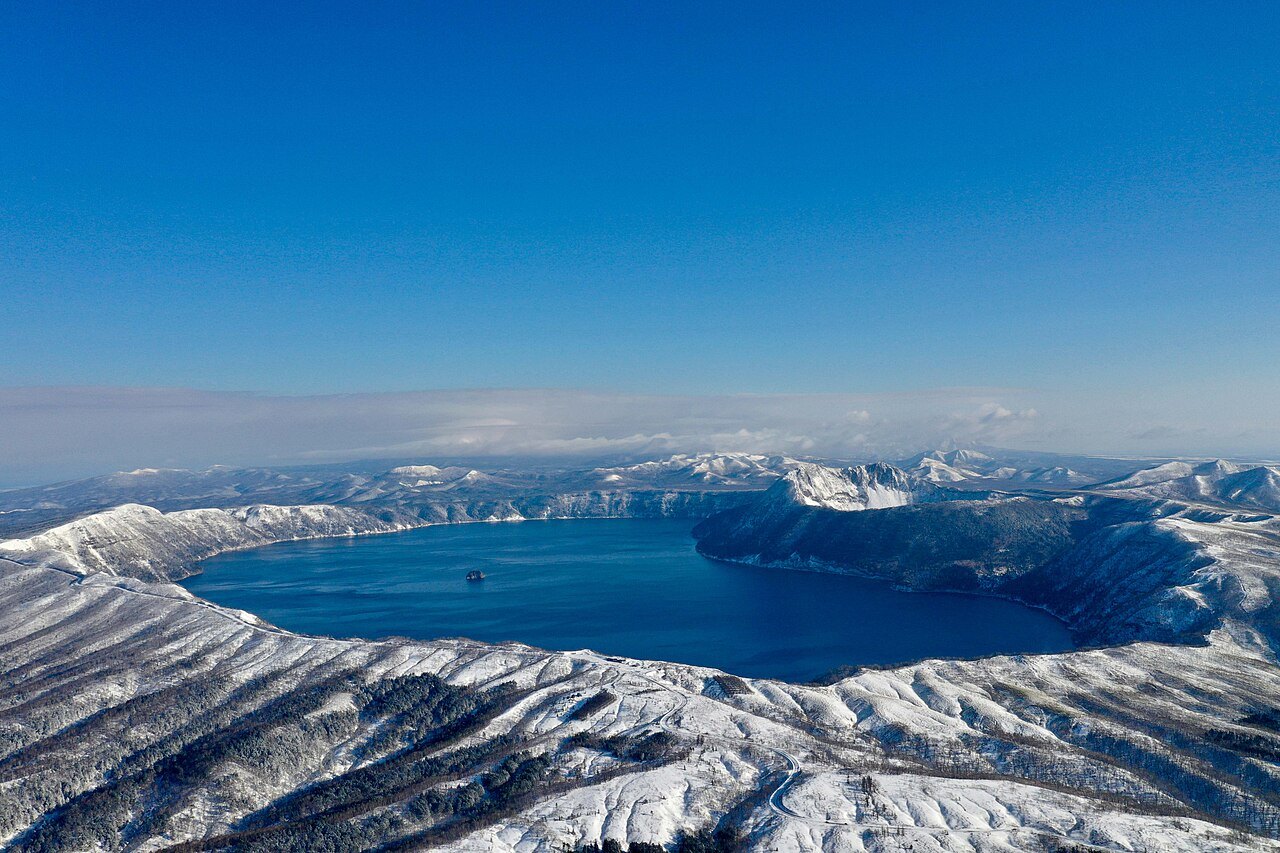
Hokkaido: the parks at a glance
Hokkaido holds seven national parks — more than any other part of Japan. In the far east, Shiretoko's drift-ice coast and the Kushiro wetland face the Sea of Okhotsk; inland, the caldera lakes of Akan Mashu and Shikotsu-Toya sit among active volcanoes; Daisetsuzan is a high alpine plateau at the island's centre; Rishiri, Rebun and the Sarobetsu plain guard the northern tip; and the Hidaka range, designated in 2024 as Japan's thirty-fifth and largest land national park, runs down the spine of the south. Distances are long — treat east, centre and north as separate trips, or allow a full week and a car or rail pass to link two or three parks.
The parks, one by one
Shiretoko National Park — Drift-ice coast of the Sea of Okhotsk; Shiretoko Five Lakes; Mount Rausu and the volcanic Shiretoko Peninsula. Best season: Late May to October for lakes and passes; February for drift ice. Gateway: Shari / Utoro — about 1 h 20 min by bus from Shiretoko-Shari Station.
Akan Mashu National Park — Caldera lakes Akan, Kussharo and Mashu; volcanic Mount Meakan and Mount Iozan; marimo algae balls in Lake Akan. Best season: June to October; winter for lake ice and frost flowers. Gateway: Kushiro — about 1 h by bus from Kushiro Airport to Lake Akan.
Kushiro-shitsugen National Park — Japan's largest wetland on the Kushiro plain; the meandering Kushiro River; reed and sedge marshes with alder groves. Best season: Year-round; cranes dance in snow February, marsh green June to September. Gateway: Kushiro — about 20 min by car or bus to the Kushiro Observatory side.
Daisetsuzan National Park — Hokkaido's largest national park: the Daisetsuzan volcanic group, Mount Asahi (2,291 m), alpine flower fields and the Sounkyo gorge. Best season: Late June to early October for alpine flowers and autumn colour. Gateway: Asahikawa — ropeway trailheads about 1–1.5 h by bus.
Shikotsu-Toya National Park — Caldera lakes Shikotsu and Toya; active volcanoes Mount Usu and Showa-shinzan; Noboribetsu hot springs. Best season: Year-round; autumn colour October, winter festivals February. Gateway: Sapporo — about 1 h by train/bus to Lake Toya or Lake Shikotsu.
Rishiri-Rebun-Sarobetsu National Park — Mount Rishiri (1,721 m) rising from the sea; Rebun Island alpine flower fields; Sarobetsu coastal plain. Best season: June to September for flowers; Rishiri climbing July–September. Gateway: Wakkanai — ferry about 1 h 40 min to Rishiri, about 1 h 55 min to Rebun.
Hidakasanmyaku-Erimo-Tokachi National Park — The Hidaka mountain range, Japan's largest land national park; Mount Poroshiri (2,052 m) and Mount Apoi; Cape Erimo and its wind-swept coast. Best season: June to October for alpine trails; Cape Erimo year-round (very windy). Gateway: Obihiro / Samani — buses serve Erimo; trailheads by car.
Choosing and combining
First-time visitors usually start with Shikotsu-Toya (closest to Sapporo and the airport) or Akan Mashu paired with Kushiro. Walkers should aim for Daisetsuzan in its short alpine summer, wildlife watchers for Shiretoko and Kushiro in any season, and flower lovers for Rebun and Mount Apoi in early summer. Winter is not an off-season here: drift ice at Shiretoko and dancing red-crowned cranes at Kushiro are February highlights.
Seasons and getting there
Best season: Year-round: alpine flowers late June to early October, drift ice and cranes in February. Gateways, from the park guides: Shiretoko: Shari / Utoro — about 1 h 20 min by bus from Shiretoko-Shari Station; Akan Mashu: Kushiro — about 1 h by bus from Kushiro Airport to Lake Akan; Kushiro-shitsugen: Kushiro — about 20 min by car or bus to the Kushiro Observatory side; Daisetsuzan: Asahikawa — ropeway trailheads about 1–1.5 h by bus; Shikotsu-Toya: Sapporo — about 1 h by train/bus to Lake Toya or Lake Shikotsu; Rishiri-Rebun-Sarobetsu: Wakkanai — ferry about 1 h 40 min to Rishiri, about 1 h 55 min to Rebun; Hidakasanmyaku-Erimo-Tokachi: Obihiro / Samani — buses serve Erimo; trailheads by car. Park entry is generally free; transport, ropeways and tours charge. Confirm current timetables and any closures on the official park pages before travelling — conditions are not live on this site.
At a glance
| Parks covered | 7 — Shiretoko, Akan Mashu, Kushiro-shitsugen, Daisetsuzan, Shikotsu-Toya, Rishiri-Rebun-Sarobetsu, Hidakasanmyaku-Erimo-Tokachi |
|---|---|
| Signature landscapes | Drift-ice coast of the Sea of Okhotsk; Caldera lakes Akan, Kussharo and Mashu; Japan's largest wetland on the Kushiro plain; Hokkaido's largest national park: the Daisetsuzan volcanic group, Mount Asahi (2,291 m), alpine flower fields and the Sounkyo gorge; Caldera lakes Shikotsu and Toya; Mount Rishiri (1,721 m) rising from the sea; The Hidaka mountain range, Japan's largest land national park |
| Best season | Year-round: alpine flowers late June to early October, drift ice and cranes in February |
| Main gateways | Shari / Utoro — about 1 h 20 min by bus from Shiretoko-Shari Station; Kushiro — about 1 h by bus from Kushiro Airport to Lake Akan; Kushiro — about 20 min by car or bus to the Kushiro Observatory side; Asahikawa — ropeway trailheads about 1–1.5 h by bus; Sapporo — about 1 h by train/bus to Lake Toya or Lake Shikotsu; Wakkanai — ferry about 1 h 40 min to Rishiri, about 1 h 55 min to Rebun; Obihiro / Samani — buses serve Erimo; trailheads by car |
| Best for | First-time visitors usually start with Shikotsu-Toya (closest to Sapporo and the airport) or Akan Mashu paired with Kushiro. |