Source-linked reading guide · Region and theme hub
Kanto National Parks
関東の国立公園
Five national parks are anchored in Kanto, and four of them are reachable from Tokyo as day trips or easy overnight stays. Nikko joins World Heritage shrines and temples to Lake Chuzenji, Kegon Falls and the Senjogahara marsh. Chichibu Tama Kai is Tokyo's own mountain backyard, from Mount Mitake's shrine village to the capital's highest peak, Mount Kumotori. Oze protects Japan's most famous high marsh, walked on boardwalks through skunk-cabbage and day-lily seasons. Fuji-Hakone-Izu reaches from Mount Fuji through the Hakone caldera to the Izu Peninsula and islands. The fifth, Ogasawara, belongs to Tokyo on paper only in distance: its subtropical islands lie about 1,000 km south in the Pacific, a full day by ferry, and reward the journey with endemic forests, dolphins and winter whales. This hub is compiled from the full park guides in this collection; each park guide carries its own summary table, access section and sources.
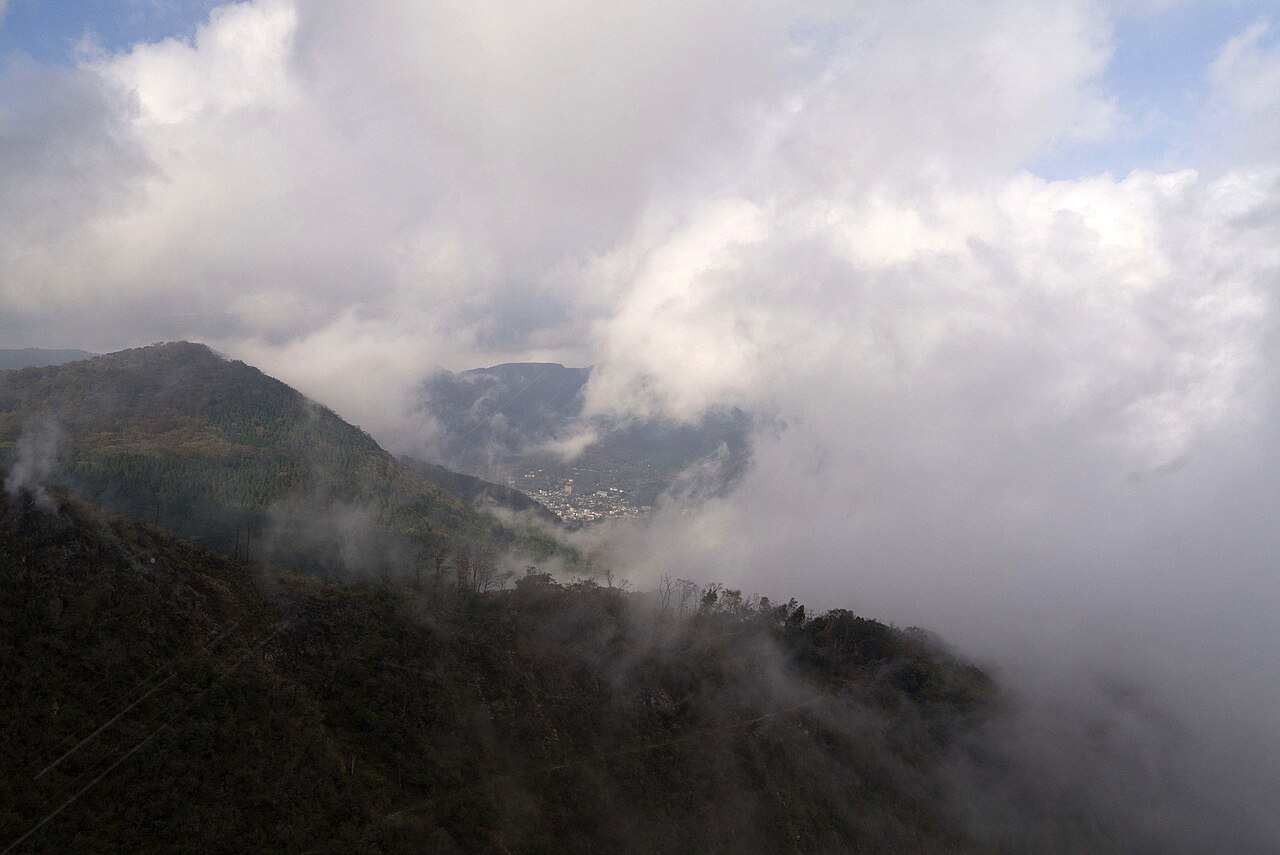
Kanto: the parks at a glance
Five national parks are anchored in Kanto, and four of them are reachable from Tokyo as day trips or easy overnight stays. Nikko joins World Heritage shrines and temples to Lake Chuzenji, Kegon Falls and the Senjogahara marsh. Chichibu Tama Kai is Tokyo's own mountain backyard, from Mount Mitake's shrine village to the capital's highest peak, Mount Kumotori. Oze protects Japan's most famous high marsh, walked on boardwalks through skunk-cabbage and day-lily seasons. Fuji-Hakone-Izu reaches from Mount Fuji through the Hakone caldera to the Izu Peninsula and islands. The fifth, Ogasawara, belongs to Tokyo on paper only in distance: its subtropical islands lie about 1,000 km south in the Pacific, a full day by ferry, and reward the journey with endemic forests, dolphins and winter whales.
The parks, one by one
Nikko National Park — Nikko Toshogu shrine and temples (World Heritage); Lake Chuzenji and Kegon Falls; Senjogahara marshland and the Oze headwaters side. Best season: Year-round; autumn colour October–November. Gateway: Nikko Station — about 2 h from Tokyo (Asakusa) by Tobu line.
Chichibu Tama Kai National Park — Tokyo's mountain backyard: Mount Kumotori (2,017 m); Mount Mitake and its shrine; the gorges of Shosenkyo and Nishizawa; Mount Daibosatsu. Best season: Year-round; fresh green May, autumn colour late October to November. Gateway: Okutama / Ome — about 1 h 30 min to 2 h from central Tokyo by train.
Oze National Park — Ozegahara marshland boardwalks; Mount Hiuchigatake and Mount Shibutsu; skunk-cabbage and day-lily seasons. Best season: Late May to October; skunk cabbage late May–June, day lilies July. Gateway: Numata / Aizukogen — bus about 1.5–2 h to trailheads (Hatomachitoge, Oshimizu, Fujimi-toge).
Fuji-Hakone-Izu National Park — Mount Fuji; Hakone caldera and Lake Ashi; Izu Peninsula coast and the Izu Islands. Best season: Year-round; Fuji climbing season July to early September. Gateway: Hakone-Yumoto / Odawara — about 1 h 25 min from Tokyo by Shinkansen and local line.
Ogasawara National Park — Subtropical oceanic islands Chichijima and Hahajima; endemic forests; coral reefs and the Minamijima karst inlet. Best season: Year-round; whale season roughly December–April. Gateway: Tokyo (Takeshiba) — 24 h by the Ogasawara Maru ferry to Chichijima.
Choosing and combining
For a first park from Tokyo, Hakone (inside Fuji-Hakone-Izu) and Chichibu Tama Kai are the gentlest starts; Nikko deserves at least one night; Oze is a seasonal pilgrimage best timed to its flowers; and Ogasawara is a trip in itself — plan four days minimum around the weekly ferry. Fuji's climbing season runs only from July to early September.
Seasons and getting there
Best season: Year-round; Oze late May to October, Fuji climbing July to early September, Ogasawara whales December–April. Gateways, from the park guides: Nikko: Nikko Station — about 2 h from Tokyo (Asakusa) by Tobu line; Chichibu Tama Kai: Okutama / Ome — about 1 h 30 min to 2 h from central Tokyo by train; Oze: Numata / Aizukogen — bus about 1.5–2 h to trailheads (Hatomachitoge, Oshimizu, Fujimi-toge); Fuji-Hakone-Izu: Hakone-Yumoto / Odawara — about 1 h 25 min from Tokyo by Shinkansen and local line; Ogasawara: Tokyo (Takeshiba) — 24 h by the Ogasawara Maru ferry to Chichijima. Park entry is generally free; transport, ropeways and tours charge. Confirm current timetables and any closures on the official park pages before travelling — conditions are not live on this site.
At a glance
| Parks covered | 5 — Nikko, Chichibu Tama Kai, Oze, Fuji-Hakone-Izu, Ogasawara |
|---|---|
| Signature landscapes | Nikko Toshogu shrine and temples (World Heritage); Tokyo's mountain backyard: Mount Kumotori (2,017 m); Ozegahara marshland boardwalks; Mount Fuji; Subtropical oceanic islands Chichijima and Hahajima |
| Best season | Year-round; Oze late May to October, Fuji climbing July to early September, Ogasawara whales December–April |
| Main gateways | Nikko Station — about 2 h from Tokyo (Asakusa) by Tobu line; Okutama / Ome — about 1 h 30 min to 2 h from central Tokyo by train; Numata / Aizukogen — bus about 1.5–2 h to trailheads (Hatomachitoge, Oshimizu, Fujimi-toge); Hakone-Yumoto / Odawara — about 1 h 25 min from Tokyo by Shinkansen and local line; Tokyo (Takeshiba) — 24 h by the Ogasawara Maru ferry to Chichijima |
| Best for | For a first park from Tokyo, Hakone (inside Fuji-Hakone-Izu) and Chichibu Tama Kai are the gentlest starts; Nikko deserves at least one night; Oze is a seasonal pilgrimage best timed to its flowers; and Ogasawara is a trip in itself — plan four days minimum around the weekly ferry. |