Source-linked reading guide · Region and theme hub
Kyushu and Okinawa National Parks
九州・沖縄の国立公園
Nine national parks — the largest regional group — arc from Kyushu's volcanoes down the island chain to Okinawa. On Kyushu itself, Aso Kuju holds one of the world's largest calderas, Unzen-Amakusa joins an active volcano to dolphin-rich island seas, Saikai scatters the Kujukushima and Goto islands off Nagasaki, and Kirishima-Kinkowan runs from crater lakes to the erupting Sakurajima across the bay; Yakushima, with its ancient cedar forests, lies just offshore. South again, Amami Gunto's mangrove islands lead to Okinawa, where Yanbaru protects subtropical forest and the Okinawa rail, Iriomote-Ishigaki guards jungle, mangroves and the Sekisei lagoon reefs, and Kerama Shoto is all 'Kerama Blue' sea. Kyushu and Okinawa are separate journeys — fly between them rather than trying to rush both. This hub is compiled from the full park guides in this collection; each park guide carries its own summary table, access section and sources.
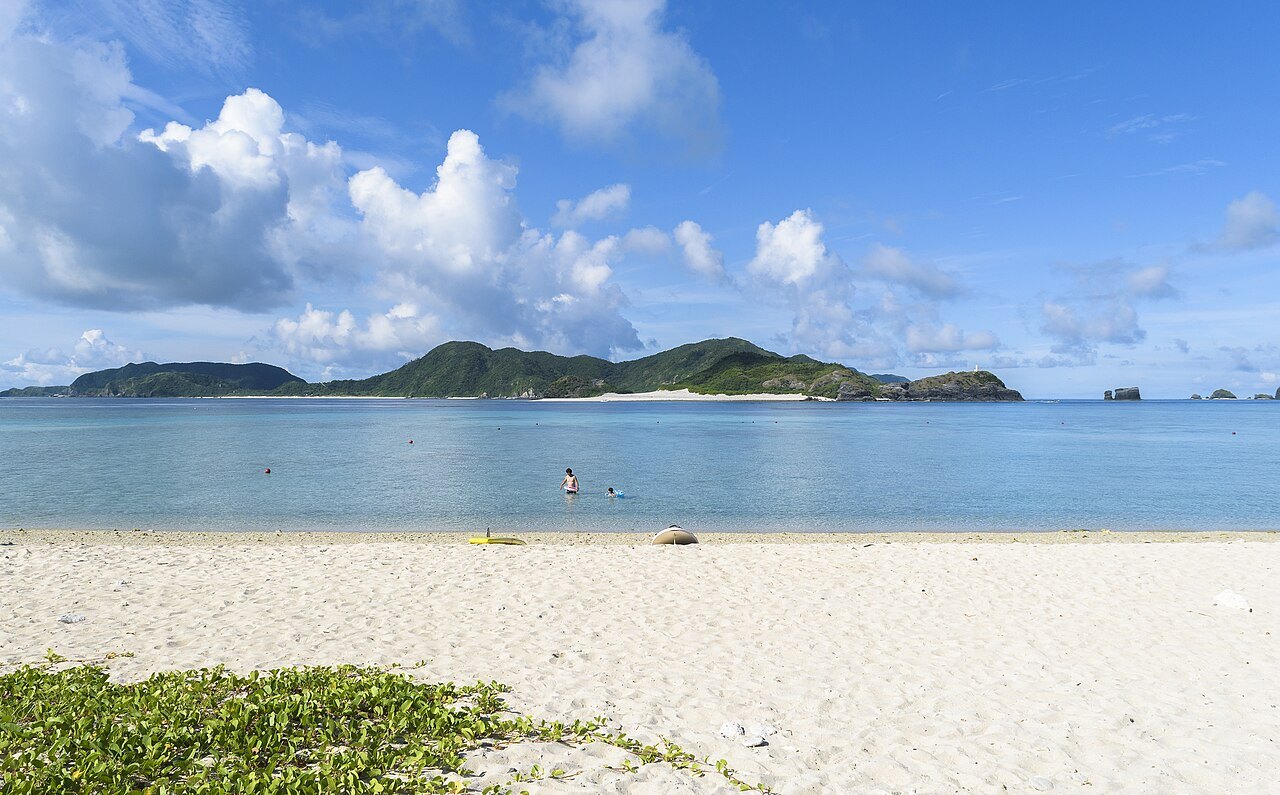
Kyushu and Okinawa: the parks at a glance
Nine national parks — the largest regional group — arc from Kyushu's volcanoes down the island chain to Okinawa. On Kyushu itself, Aso Kuju holds one of the world's largest calderas, Unzen-Amakusa joins an active volcano to dolphin-rich island seas, Saikai scatters the Kujukushima and Goto islands off Nagasaki, and Kirishima-Kinkowan runs from crater lakes to the erupting Sakurajima across the bay; Yakushima, with its ancient cedar forests, lies just offshore. South again, Amami Gunto's mangrove islands lead to Okinawa, where Yanbaru protects subtropical forest and the Okinawa rail, Iriomote-Ishigaki guards jungle, mangroves and the Sekisei lagoon reefs, and Kerama Shoto is all 'Kerama Blue' sea. Kyushu and Okinawa are separate journeys — fly between them rather than trying to rush both.
The parks, one by one
Yakushima National Park — Ancient yakusugi cedar forests including Jomon Sugi; Mount Miyanoura (1,936 m); Nagata Inakahama beach. Best season: March to November; turtle nesting early summer. Gateway: Miyanohara / Anbo ports — 2–2.5 h by high-speed boat from Kagoshima.
Aso Kuju National Park — One of the world's largest calderas at Aso with the active Nakadake crater; the Kuju mountain range and its grasslands. Best season: Year-round; azalea May–June, pampas grass autumn. Gateway: Kumamoto / Oita — bus or Hohi Line train about 1–1.5 h to Aso.
Saikai National Park — The Kujukushima '99 islands' of Sasebo; the Goto Islands' churches and cliffs; Hirado Island and the Tabira coast. Best season: Year-round; island cruising best spring and autumn. Gateway: Sasebo — buses and sightseeing boats to Kujukushima.
Unzen-Amakusa National Park — Mount Unzen and the 1990-95 Fugendake eruption zone; Unzen Jigoku hot springs and azalea slopes; the Amakusa islands and their wild dolphins. Best season: Year-round; azalea May, autumn colour November, dolphin watching year-round. Gateway: Shimabara / Isahaya — bus about 1 h 20 min to Unzen Onsen.
Kirishima-Kinkōwan National Park — The Kirishima volcanic group: Mount Karakuri (Karakunidake, 1,700 m) and Takachiho-no-mine with its crater lakes; active Sakurajima across Kinkowan Bay; Cape Sata, mainland Japan's southernmost point. Best season: Year-round; Kirishima azalea May to June, autumn colour November. Gateway: Kagoshima / Miyakonojo — buses to Kirishima Onsen and Ebino Kogen.
Amami Guntō National Park — The Amami island chain: Amami Oshima's mangroves and Mount Yuwan; Kakeroma and the other outer islands; coral seas between Kagoshima and Okinawa. Best season: Year-round; mangrove canoeing year-round, sea season spring to autumn. Gateway: Amami Oshima (Naze) — flights from Kagoshima/Tokyo; ferries link the islands.
Iriomote-Ishigaki National Park — Iriomote's subtropical jungle and mangroves; the Sekisei lagoon coral reefs between Ishigaki and Iriomote; Mount Komi. Best season: Year-round; best sea conditions April–October. Gateway: Ishigaki — ferry about 40 min to Iriomote (Ohara / Uehara).
Yanbaru National Park — Subtropical evergreen forest of northern Okinawa; Mount Yonaha (503 m); the Hiji and Okuma river valleys; a World Natural Heritage core from 2021. Best season: Year-round; birdwatching best in the cooler months, forest green after spring rains. Gateway: Nago — bus or car about 1-1.5 h to Kunigami Village trailheads.
Kerama Shotō National Park — The 'Kerama Blue' sea: Zamami and Aka islands, coral reefs and white-sand beaches; a humpback-whale breeding ground in winter. Best season: Year-round; sea season April to October, whales January to March. Gateway: Naha (Tomari Port) — high-speed boat about 50 min to Zamami.
Choosing and combining
On Kyushu, pair Aso with Unzen or Kirishima in one volcanic loop, and give Yakushima two nights minimum for its cedar trails. In the south, choose by element: forest and rare birds in Yanbaru and Amami, jungle rivers and mangroves in Iriomote, and pure sea — snorkelling, turtles and winter whales — in Kerama. Typhoon season peaks in late summer; keep plans flexible then.
Seasons and getting there
Best season: Year-round; sea season April to October, Kerama whales January to March, azaleas May–June. Gateways, from the park guides: Yakushima: Miyanohara / Anbo ports — 2–2.5 h by high-speed boat from Kagoshima; Aso Kuju: Kumamoto / Oita — bus or Hohi Line train about 1–1.5 h to Aso; Saikai: Sasebo — buses and sightseeing boats to Kujukushima; Unzen-Amakusa: Shimabara / Isahaya — bus about 1 h 20 min to Unzen Onsen; Kirishima-Kinkōwan: Kagoshima / Miyakonojo — buses to Kirishima Onsen and Ebino Kogen; Amami Guntō: Amami Oshima (Naze) — flights from Kagoshima/Tokyo; ferries link the islands; Iriomote-Ishigaki: Ishigaki — ferry about 40 min to Iriomote (Ohara / Uehara); Yanbaru: Nago — bus or car about 1-1.5 h to Kunigami Village trailheads; Kerama Shotō: Naha (Tomari Port) — high-speed boat about 50 min to Zamami. Park entry is generally free; transport, ropeways and tours charge. Confirm current timetables and any closures on the official park pages before travelling — conditions are not live on this site.
At a glance
| Parks covered | 9 — Yakushima, Aso Kuju, Saikai, Unzen-Amakusa, Kirishima-Kinkōwan, Amami Guntō, Iriomote-Ishigaki, Yanbaru, Kerama Shotō |
|---|---|
| Signature landscapes | Ancient yakusugi cedar forests including Jomon Sugi; One of the world's largest calderas at Aso with the active Nakadake crater; The Kujukushima '99 islands' of Sasebo; Mount Unzen and the 1990-95 Fugendake eruption zone; The Kirishima volcanic group: Mount Karakuri (Karakunidake, 1,700 m) and Takachiho-no-mine with its crater lakes; The Amami island chain: Amami Oshima's mangroves and Mount Yuwan; Iriomote's subtropical jungle and mangroves; Subtropical evergreen forest of northern Okinawa; The 'Kerama Blue' sea: Zamami and Aka islands, coral reefs and white-sand beaches |
| Best season | Year-round; sea season April to October, Kerama whales January to March, azaleas May–June |
| Main gateways | Miyanohara / Anbo ports — 2–2.5 h by high-speed boat from Kagoshima; Kumamoto / Oita — bus or Hohi Line train about 1–1.5 h to Aso; Sasebo — buses and sightseeing boats to Kujukushima; Shimabara / Isahaya — bus about 1 h 20 min to Unzen Onsen; Kagoshima / Miyakonojo — buses to Kirishima Onsen and Ebino Kogen; Amami Oshima (Naze) — flights from Kagoshima/Tokyo; ferries link the islands; Ishigaki — ferry about 40 min to Iriomote (Ohara / Uehara); Nago — bus or car about 1-1.5 h to Kunigami Village trailheads; Naha (Tomari Port) — high-speed boat about 50 min to Zamami |
| Best for | On Kyushu, pair Aso with Unzen or Kirishima in one volcanic loop, and give Yakushima two nights minimum for its cedar trails. |