Source-linked reading guide · Region and theme hub
Volcano Parks of Japan
火山
Japan sits on the Pacific Ring of Fire, and its national parks are volcanic landscapes first and foremost: caldera lakes at Akan, Shikotsu and Towada; the smoking craters of Aso, Kirishima and Unzen; Mount Fuji itself; and whole ranges — Daisetsuzan, Hakusan, the Japan Alps — built by eruptions. Volcanoes give these parks their hot springs, their coloured ponds and their drama, and they also set the rules: crater areas open and close with volcanic activity, and some summits stay off-limits for years. This hub gathers the parks where the volcano is the main event. Always check the official park page and current volcanic alerts before travelling — conditions in these parks are not live on this site. This hub is compiled from the full park guides in this collection; each park guide carries its own summary table, access section and sources.
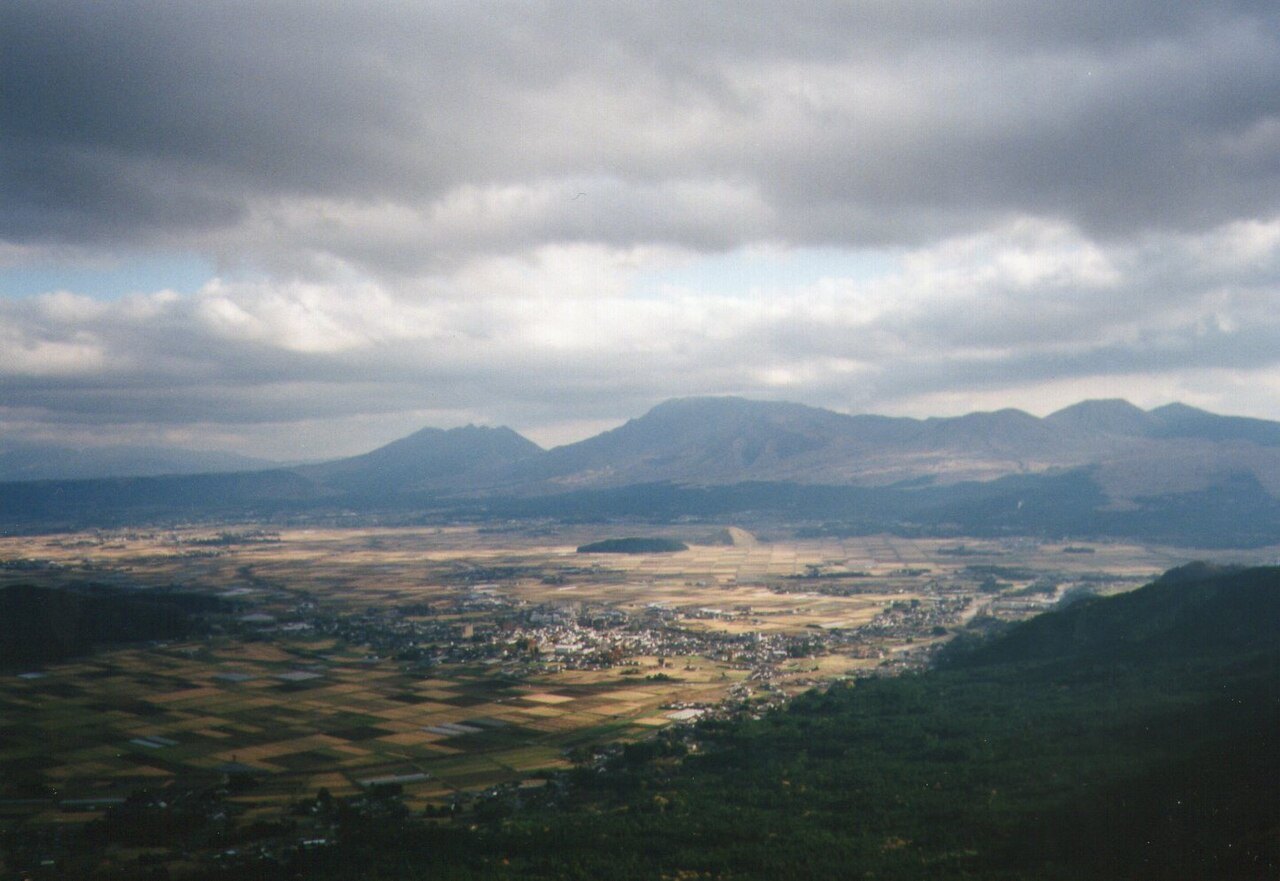
Volcanoes across the parks
Japan sits on the Pacific Ring of Fire, and its national parks are volcanic landscapes first and foremost: caldera lakes at Akan, Shikotsu and Towada; the smoking craters of Aso, Kirishima and Unzen; Mount Fuji itself; and whole ranges — Daisetsuzan, Hakusan, the Japan Alps — built by eruptions. Volcanoes give these parks their hot springs, their coloured ponds and their drama, and they also set the rules: crater areas open and close with volcanic activity, and some summits stay off-limits for years. This hub gathers the parks where the volcano is the main event. Always check the official park page and current volcanic alerts before travelling — conditions in these parks are not live on this site.
The parks in this hub
Akan Mashu National Park — Caldera lakes Akan, Kussharo and Mashu; volcanic Mount Meakan and Mount Iozan; marimo algae balls in Lake Akan. Best season: June to October; winter for lake ice and frost flowers. Gateway: Kushiro — about 1 h by bus from Kushiro Airport to Lake Akan.
Shikotsu-Toya National Park — Caldera lakes Shikotsu and Toya; active volcanoes Mount Usu and Showa-shinzan; Noboribetsu hot springs. Best season: Year-round; autumn colour October, winter festivals February. Gateway: Sapporo — about 1 h by train/bus to Lake Toya or Lake Shikotsu.
Shiretoko National Park — Drift-ice coast of the Sea of Okhotsk; Shiretoko Five Lakes; Mount Rausu and the volcanic Shiretoko Peninsula. Best season: Late May to October for lakes and passes; February for drift ice. Gateway: Shari / Utoro — about 1 h 20 min by bus from Shiretoko-Shari Station.
Bandai-Asahi National Park — Mount Bandai and the coloured Goshikinuma ponds; the Dewa Sanzan sacred peaks (Haguro, Gassan, Yudono); Mount Iide and the Asahi range. Best season: Year-round; Goshikinuma May to November, autumn colour October, skiing winter. Gateway: Aizu-Wakamatsu / Kitakata — bus about 40 min to Urabandai.
Fuji-Hakone-Izu National Park — Mount Fuji; Hakone caldera and Lake Ashi; Izu Peninsula coast and the Izu Islands. Best season: Year-round; Fuji climbing season July to early September. Gateway: Hakone-Yumoto / Odawara — about 1 h 25 min from Tokyo by Shinkansen and local line.
Jōshin'etsu-kōgen National Park — Volcanic highlands: active Mount Asama and Mount Kusatsu-Shirane with its Yugama crater lake; Shiga Kogen plateau; Mount Tanigawa and Mount Naeba; Jigokudani snow monkeys. Best season: Year-round; skiing December to April, highland flowers June to September, autumn colour October. Gateway: Karuizawa / Nagano — Shinkansen gateways, buses to the highlands.
Aso Kuju National Park — One of the world's largest calderas at Aso with the active Nakadake crater; the Kuju mountain range and its grasslands. Best season: Year-round; azalea May–June, pampas grass autumn. Gateway: Kumamoto / Oita — bus or Hohi Line train about 1–1.5 h to Aso.
Kirishima-Kinkōwan National Park — The Kirishima volcanic group: Mount Karakuri (Karakunidake, 1,700 m) and Takachiho-no-mine with its crater lakes; active Sakurajima across Kinkowan Bay; Cape Sata, mainland Japan's southernmost point. Best season: Year-round; Kirishima azalea May to June, autumn colour November. Gateway: Kagoshima / Miyakonojo — buses to Kirishima Onsen and Ebino Kogen.
Choosing within this theme
For a first volcano park, Shikotsu-Toya (Mount Usu and Showa-shinzan, close to Sapporo) and Fuji-Hakone-Izu are the most accessible; Aso Kuju offers the grandest caldera; Joshinetsu Kogen shows two very different active volcanoes in one park; and Kirishima-Kinkowan lets you watch Sakurajima erupt across the bay from a safe distance. Walkers can add Hakusan, Myoko and the Daisetsuzan group, where the volcanoes are climbed rather than viewed.
Also in this theme
These parks in the collection also belong to this theme: Daisetsuzan National Park (Hokkaido's largest national park: the Daisetsuzan volcanic group, Mount Asahi (2,291 m), alpine flower fields and the Sounkyo gorge); Towada-Hachimantai National Park (Lake Towada and the Oirase mountain stream); Chubu-Sangaku National Park (Northern Japan Alps: Kamikochi valley, Mount Tate and Kurobe, the Hotaka range and Mount Norikura); Hakusan National Park (Sacred Mount Hakusan (2,702 m) with its crater ponds); Myōkō-Togakushi Renzan National Park (Volcanic Mount Myoko (2,454 m) and the jagged non-volcanic Togakushi range); Unzen-Amakusa National Park (Mount Unzen and the 1990-95 Fugendake eruption zone). Open any park from the main list to read its full guide.
At a glance
| Parks covered | 14 in this theme — featured: Akan Mashu, Shikotsu-Toya, Shiretoko, Bandai-Asahi, Fuji-Hakone-Izu, Jōshin'etsu-kōgen, Aso Kuju, Kirishima-Kinkōwan |
|---|---|
| Signature landscapes | Caldera lakes Akan, Kussharo and Mashu; Caldera lakes Shikotsu and Toya; Drift-ice coast of the Sea of Okhotsk; Mount Bandai and the coloured Goshikinuma ponds; Mount Fuji; Volcanic highlands: active Mount Asama and Mount Kusatsu-Shirane with its Yugama crater lake; One of the world's largest calderas at Aso with the active Nakadake crater; The Kirishima volcanic group: Mount Karakuri (Karakunidake, 1,700 m) and Takachiho-no-mine with its crater lakes |
| Best season | Year-round; alpine volcanoes July to early October |
| Main gateways | Kushiro — about 1 h by bus from Kushiro Airport to Lake Akan; Sapporo — about 1 h by train/bus to Lake Toya or Lake Shikotsu; Shari / Utoro — about 1 h 20 min by bus from Shiretoko-Shari Station; Aizu-Wakamatsu / Kitakata — bus about 40 min to Urabandai; Hakone-Yumoto / Odawara — about 1 h 25 min from Tokyo by Shinkansen and local line; Karuizawa / Nagano — Shinkansen gateways, buses to the highlands; Kumamoto / Oita — bus or Hohi Line train about 1–1.5 h to Aso; Kagoshima / Miyakonojo — buses to Kirishima Onsen and Ebino Kogen |
| Best for | For a first volcano park, Shikotsu-Toya (Mount Usu and Showa-shinzan, close to Sapporo) and Fuji-Hakone-Izu are the most accessible; Aso Kuju offers the grandest caldera; Joshinetsu Kogen shows two very different active volcanoes in one park; and Kirishima-Kinkowan lets you watch Sakurajima erupt across the bay from a safe distance. |