Source-linked reading guide · Region and theme hub
Wetlands and Lakes
湿原と湖
Water held still — in marshes, moors and caldera lakes — shelters some of Japan's richest wildlife. Kushiro-shitsugen is the country's largest wetland and the home of the red-crowned crane; Oze's high marsh is walked entirely on boardwalks through flower seasons; Nikko's Senjogahara and Myoko's Imori Pond add smaller, gentler wetlands. The great caldera lakes — Akan, Kussharo and Mashu, Shikotsu and Toya, Towada — combine volcanic scenery with waterbirds and lakeside walks, while Bandai's Goshikinuma ponds change colour with the minerals in their water. Wetland parks ask for slowness: binoculars, early starts and time on the boardwalks. This hub is compiled from the full park guides in this collection; each park guide carries its own summary table, access section and sources.
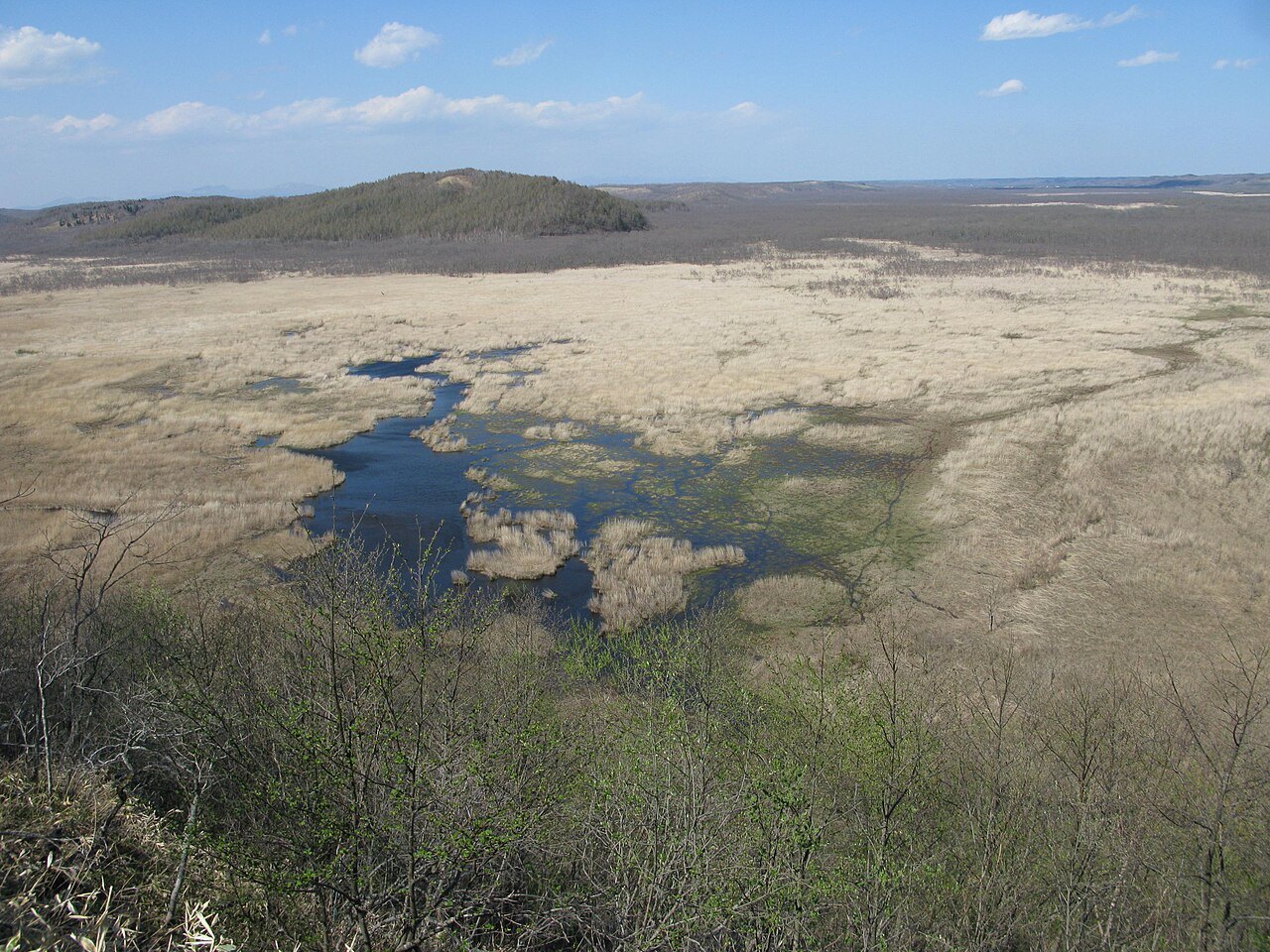
Wetlands and lakes across the parks
Water held still — in marshes, moors and caldera lakes — shelters some of Japan's richest wildlife. Kushiro-shitsugen is the country's largest wetland and the home of the red-crowned crane; Oze's high marsh is walked entirely on boardwalks through flower seasons; Nikko's Senjogahara and Myoko's Imori Pond add smaller, gentler wetlands. The great caldera lakes — Akan, Kussharo and Mashu, Shikotsu and Toya, Towada — combine volcanic scenery with waterbirds and lakeside walks, while Bandai's Goshikinuma ponds change colour with the minerals in their water. Wetland parks ask for slowness: binoculars, early starts and time on the boardwalks.
The parks in this hub
Kushiro-shitsugen National Park — Japan's largest wetland on the Kushiro plain; the meandering Kushiro River; reed and sedge marshes with alder groves. Best season: Year-round; cranes dance in snow February, marsh green June to September. Gateway: Kushiro — about 20 min by car or bus to the Kushiro Observatory side.
Oze National Park — Ozegahara marshland boardwalks; Mount Hiuchigatake and Mount Shibutsu; skunk-cabbage and day-lily seasons. Best season: Late May to October; skunk cabbage late May–June, day lilies July. Gateway: Numata / Aizukogen — bus about 1.5–2 h to trailheads (Hatomachitoge, Oshimizu, Fujimi-toge).
Akan Mashu National Park — Caldera lakes Akan, Kussharo and Mashu; volcanic Mount Meakan and Mount Iozan; marimo algae balls in Lake Akan. Best season: June to October; winter for lake ice and frost flowers. Gateway: Kushiro — about 1 h by bus from Kushiro Airport to Lake Akan.
Towada-Hachimantai National Park — Lake Towada and the Oirase mountain stream; Hachimantai volcanic plateau and its snow corridor; Mount Iwaki views. Best season: May to November; Oirase fresh green May–June, autumn colour mid-October. Gateway: Aomori / Hachinohe — bus about 2–3 h to Lake Towada.
Nikko National Park — Nikko Toshogu shrine and temples (World Heritage); Lake Chuzenji and Kegon Falls; Senjogahara marshland and the Oze headwaters side. Best season: Year-round; autumn colour October–November. Gateway: Nikko Station — about 2 h from Tokyo (Asakusa) by Tobu line.
Rishiri-Rebun-Sarobetsu National Park — Mount Rishiri (1,721 m) rising from the sea; Rebun Island alpine flower fields; Sarobetsu coastal plain. Best season: June to September for flowers; Rishiri climbing July–September. Gateway: Wakkanai — ferry about 1 h 40 min to Rishiri, about 1 h 55 min to Rebun.
Shikotsu-Toya National Park — Caldera lakes Shikotsu and Toya; active volcanoes Mount Usu and Showa-shinzan; Noboribetsu hot springs. Best season: Year-round; autumn colour October, winter festivals February. Gateway: Sapporo — about 1 h by train/bus to Lake Toya or Lake Shikotsu.
Bandai-Asahi National Park — Mount Bandai and the coloured Goshikinuma ponds; the Dewa Sanzan sacred peaks (Haguro, Gassan, Yudono); Mount Iide and the Asahi range. Best season: Year-round; Goshikinuma May to November, autumn colour October, skiing winter. Gateway: Aizu-Wakamatsu / Kitakata — bus about 40 min to Urabandai.
Choosing within this theme
Birdwatchers should start with Kushiro (cranes all year, dancing in the snow in February) and the Sarobetsu plain inside Rishiri-Rebun-Sarobetsu. Flower walkers time Oze for late May (skunk cabbage) or July (day lilies). For lake scenery with easy access, Shikotsu-Toya and Towada are the strongest all-round choices, and Akan Mashu adds the mystery of misty Lake Mashu and the marimo of Lake Akan.
Also in this theme
These parks in the collection also belong to this theme: Myōkō-Togakushi Renzan National Park (Volcanic Mount Myoko (2,454 m) and the jagged non-volcanic Togakushi range). Open any park from the main list to read its full guide.
At a glance
| Parks covered | 9 in this theme — featured: Kushiro-shitsugen, Oze, Akan Mashu, Towada-Hachimantai, Nikko, Rishiri-Rebun-Sarobetsu, Shikotsu-Toya, Bandai-Asahi |
|---|---|
| Signature landscapes | Japan's largest wetland on the Kushiro plain; Ozegahara marshland boardwalks; Caldera lakes Akan, Kussharo and Mashu; Lake Towada and the Oirase mountain stream; Nikko Toshogu shrine and temples (World Heritage); Mount Rishiri (1,721 m) rising from the sea; Caldera lakes Shikotsu and Toya; Mount Bandai and the coloured Goshikinuma ponds |
| Best season | Cranes dance in February; Oze flowers late May and July; marshes greenest June to September |
| Main gateways | Kushiro — about 20 min by car or bus to the Kushiro Observatory side; Numata / Aizukogen — bus about 1.5–2 h to trailheads (Hatomachitoge, Oshimizu, Fujimi-toge); Kushiro — about 1 h by bus from Kushiro Airport to Lake Akan; Aomori / Hachinohe — bus about 2–3 h to Lake Towada; Nikko Station — about 2 h from Tokyo (Asakusa) by Tobu line; Wakkanai — ferry about 1 h 40 min to Rishiri, about 1 h 55 min to Rebun; Sapporo — about 1 h by train/bus to Lake Toya or Lake Shikotsu; Aizu-Wakamatsu / Kitakata — bus about 40 min to Urabandai |
| Best for | Birdwatchers should start with Kushiro (cranes all year, dancing in the snow in February) and the Sarobetsu plain inside Rishiri-Rebun-Sarobetsu. |