Source-linked reading guide · Region and theme hub
World Natural Heritage Parks
世界自然遺産
Six national parks protect Japan's four World Natural Heritage areas. Yakushima (inscribed 1993) was recognised for its ancient cedar forests and warm-to-cool temperate rainforest; Shiretoko (2005) for the drift-ice ecosystem that links sea and land, from plankton to brown bears; the Ogasawara Islands (2011) for evolution in isolation, with high rates of endemic species; and the 2021 inscription covering Amami-Oshima, Tokunoshima, the northern part of Okinawa Island and Iriomote Island — protected inside Amami Gunto, Yanbaru and Iriomote-Ishigaki national parks — for the surviving subtropical forest and its endemic animals, from the Amami rabbit to the Okinawa rail and the Iriomote cat. Heritage status brings stricter rules in core zones: expect guided-access areas, boardwalk-only routes and, in places, advance booking. This hub is compiled from the full park guides in this collection; each park guide carries its own summary table, access section and sources.
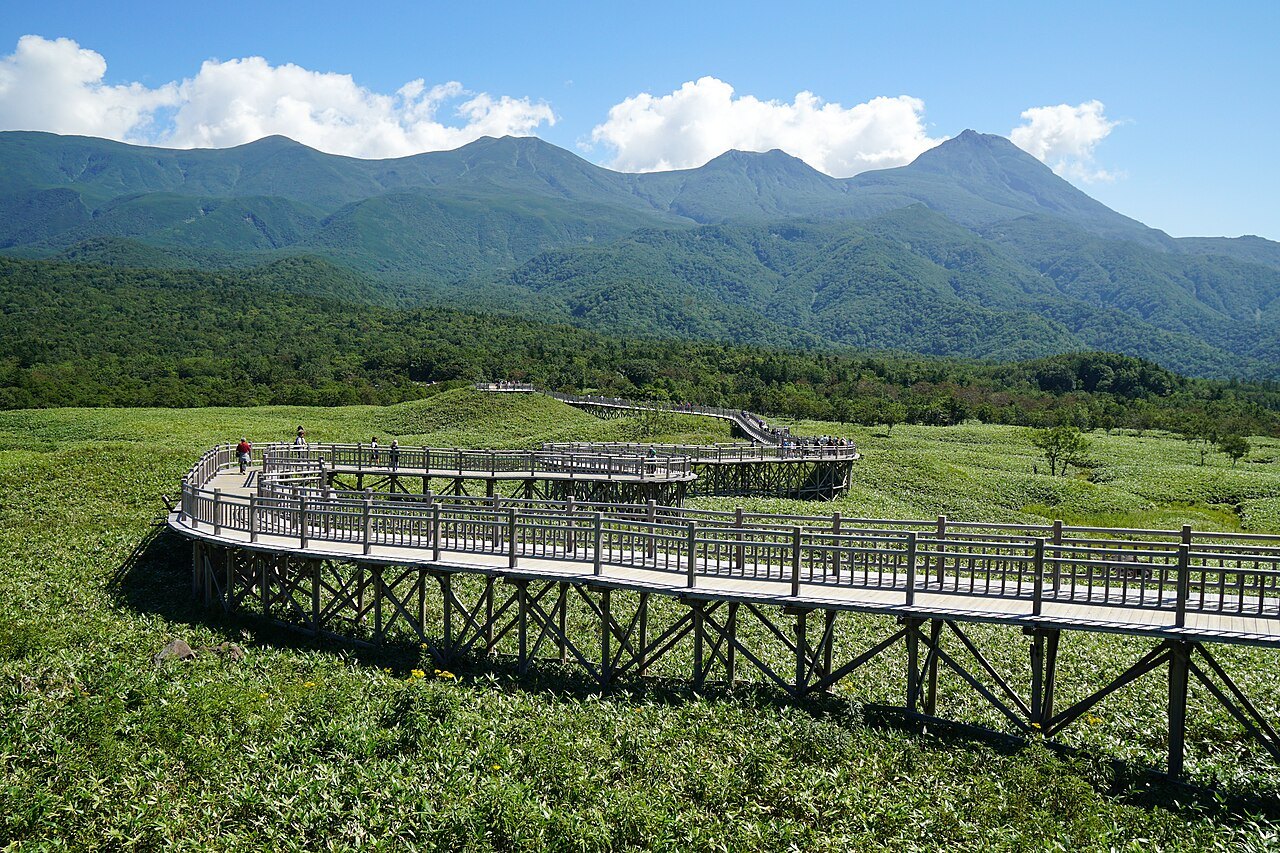
World Natural Heritage across the parks
Six national parks protect Japan's four World Natural Heritage areas. Yakushima (inscribed 1993) was recognised for its ancient cedar forests and warm-to-cool temperate rainforest; Shiretoko (2005) for the drift-ice ecosystem that links sea and land, from plankton to brown bears; the Ogasawara Islands (2011) for evolution in isolation, with high rates of endemic species; and the 2021 inscription covering Amami-Oshima, Tokunoshima, the northern part of Okinawa Island and Iriomote Island — protected inside Amami Gunto, Yanbaru and Iriomote-Ishigaki national parks — for the surviving subtropical forest and its endemic animals, from the Amami rabbit to the Okinawa rail and the Iriomote cat. Heritage status brings stricter rules in core zones: expect guided-access areas, boardwalk-only routes and, in places, advance booking.
The parks in this hub
Shiretoko National Park — Drift-ice coast of the Sea of Okhotsk; Shiretoko Five Lakes; Mount Rausu and the volcanic Shiretoko Peninsula. Best season: Late May to October for lakes and passes; February for drift ice. Gateway: Shari / Utoro — about 1 h 20 min by bus from Shiretoko-Shari Station.
Yakushima National Park — Ancient yakusugi cedar forests including Jomon Sugi; Mount Miyanoura (1,936 m); Nagata Inakahama beach. Best season: March to November; turtle nesting early summer. Gateway: Miyanohara / Anbo ports — 2–2.5 h by high-speed boat from Kagoshima.
Ogasawara National Park — Subtropical oceanic islands Chichijima and Hahajima; endemic forests; coral reefs and the Minamijima karst inlet. Best season: Year-round; whale season roughly December–April. Gateway: Tokyo (Takeshiba) — 24 h by the Ogasawara Maru ferry to Chichijima.
Amami Guntō National Park — The Amami island chain: Amami Oshima's mangroves and Mount Yuwan; Kakeroma and the other outer islands; coral seas between Kagoshima and Okinawa. Best season: Year-round; mangrove canoeing year-round, sea season spring to autumn. Gateway: Amami Oshima (Naze) — flights from Kagoshima/Tokyo; ferries link the islands.
Yanbaru National Park — Subtropical evergreen forest of northern Okinawa; Mount Yonaha (503 m); the Hiji and Okuma river valleys; a World Natural Heritage core from 2021. Best season: Year-round; birdwatching best in the cooler months, forest green after spring rains. Gateway: Nago — bus or car about 1-1.5 h to Kunigami Village trailheads.
Iriomote-Ishigaki National Park — Iriomote's subtropical jungle and mangroves; the Sekisei lagoon coral reefs between Ishigaki and Iriomote; Mount Komi. Best season: Year-round; best sea conditions April–October. Gateway: Ishigaki — ferry about 40 min to Iriomote (Ohara / Uehara).
Choosing within this theme
Yakushima and Shiretoko are the established classics, with the best visitor infrastructure. The 2021 southern inscription is the frontier: Yanbaru and Iriomote reward travellers who book local guides, drive carefully at night for wildlife, and accept that the rarest animals are heard more often than seen. Ogasawara needs the most commitment — a weekly ferry and at least four days — and gives back the strongest sense of a world apart. Our separate World Heritage guide also covers the parks' cultural inscriptions, from Nikko's shrines to Mount Fuji.
At a glance
| Parks covered | 6 in this theme — featured: Shiretoko, Yakushima, Ogasawara, Amami Guntō, Yanbaru, Iriomote-Ishigaki |
|---|---|
| Signature landscapes | Drift-ice coast of the Sea of Okhotsk; Ancient yakusugi cedar forests including Jomon Sugi; Subtropical oceanic islands Chichijima and Hahajima; The Amami island chain: Amami Oshima's mangroves and Mount Yuwan; Subtropical evergreen forest of northern Okinawa; Iriomote's subtropical jungle and mangroves |
| Best season | Year-round; Shiretoko drift ice in February, Yakushima trails March to November |
| Main gateways | Shari / Utoro — about 1 h 20 min by bus from Shiretoko-Shari Station; Miyanohara / Anbo ports — 2–2.5 h by high-speed boat from Kagoshima; Tokyo (Takeshiba) — 24 h by the Ogasawara Maru ferry to Chichijima; Amami Oshima (Naze) — flights from Kagoshima/Tokyo; ferries link the islands; Nago — bus or car about 1-1.5 h to Kunigami Village trailheads; Ishigaki — ferry about 40 min to Iriomote (Ohara / Uehara) |
| Best for | Yakushima and Shiretoko are the established classics, with the best visitor infrastructure. |